

Browse
Health And Nutrition
Growing Digital Innovation Funding Window for Early-Stage Enterprises
Donor: Africa Enterprise Challenge Fund
Grant Type: Grant
Grant Size: $100,000 to $500,000
Countries/Regions: Algeria, Angola, Benin, Botswana, Burkina Faso, Burundi, Cameroon, Cape Verde, Central African Republic, Chad, Comoros, Congo (Brazzaville), Congo DR, Cote DIvoire (Ivory Coast), Djibouti, Egypt, Equatorial Guinea, Eritrea, Ethiopia, Gabon, Gambia, Ghana, Guinea, Guinea-Bissau, Kenya, Lesotho, Liberia, Libya, Madagascar, Malawi, Mali, Mauritania, Mauritius, Mayotte, Morocco, Mozambique, Namibia, Niger, Nigeria, Reunion, Rwanda, Saint Helena, Sao Tome And Principe, Senegal, Seychelles, Sierra Leone, Somalia, South Africa, Sudan, Swaziland, Tanzania, Togo, Tunisia, Uganda, Western Sahara, Zambia, Zimbabwe, South Sudan
Area: Business & Industry, Businesses, Companies and Enterprises, Climate Change, Energy, Innovation
The Growing Digital Innovation Funding Window offers early-stage enterprises an opportunity to accelerate the development and deployment of digital solutions for energy and climate impact.
For more information, visit https://www.aecfafrica.org/approach/our-programmes/renewable-energy/react-2-0-regional-digital-innovation-fund-for-energy-climate-programme-difec/window-1-growing-digital-innovation-funding-window/
Premium Link: https://grants.fundsforngospremium.com/opportunity/op/growing-digital-innovation-funding-window-for-earlystage-enterprises
By:
Aaron Dorner
Wednesday, Apr 1, 2026
AGRI-FOOD SYSTEMS
+3
No Preview Available
Leave a comment
FII Innovators Pitch for Transformative AI Solutions
Grant Type: Awards, Prizes and Challenges
Grant Size: Not Available
Countries/Regions: Afghanistan, Aland Islands, Albania, Algeria, American Samoa, Andorra, Angola, Anguilla, Antarctica, Antigua and Barbuda, Argentina, Armenia, Aruba, Australia, Austria, Azerbaijan, Bahamas, Bahrain, Bangladesh, Barbados, Belarus, Belgium, Belize, Benin, Bermuda, Bhutan, Bolivia, Bosnia And Herzegovina, Botswana, Bouvet Island, Brazil, British Indian Ocean Territory, Brunei, Bulgaria, Burkina Faso, Burundi, Cambodia, Cameroon, Canada, Cape Verde, Cayman Islands, Central African Republic, Chad, Chile, China, Christmas Island, Cocos (Keeling) Islands, Colombia, Comoros, Congo (Brazzaville), Congo DR, Cook Islands, Costa Rica, Cote DIvoire (Ivory Coast), Croatia, Cuba, Cyprus, Czech Republic, Denmark, Djibouti, Dominica, Dominican Republic, Ecuador, Egypt, El Salvador, Equatorial Guinea, Eritrea, Estonia, Ethiopia, Falkland Islands (Malvinas), Faroe Islands, Fiji, Finland, France, French Guiana, French Polynesia, French Southern Territories, Gabon, Gambia, Georgia, Germany, Ghana, Gibraltar, Greece, Greenland, Grenada, Guadeloupe, Guam, Guatemala, Guernsey, Guinea, Guinea-Bissau, Guyana, Haiti, Heard Island And Mcdonald Islands, Holy See (Vatican City State), Honduras, Hong Kong SAR, Hungary, Iceland, India, Indonesia, Iran, Iraq, Ireland, Isle Of Man, Israel, Italy, Jamaica, Japan, Jersey, Jordan, Kazakhstan, Kenya, Kiribati, South Korea, North Korea, Kuwait, Kyrgyzstan, Laos, Latvia, Lebanon, Lesotho, Liberia, Libya, Liechtenstein, Lithuania, Luxembourg, Macau, Macedonia, Madagascar, Malawi, Malaysia, Maldives, Mali, Malta, Marshall Islands, Martinique, Mauritania, Mauritius, Mayotte, Mexico, Micronesia Federated States Of, Moldova Republic Of, Monaco, Mongolia, Montserrat, Morocco, Mozambique, Burma(Myanmar), Namibia, Nauru, Nepal, Netherlands, Netherlands Antilles, New Caledonia, New Zealand, Nicaragua, Niger, Nigeria, Niue, Norfolk Island, Northern Mariana Islands, Norway, Oman, Pakistan, Palau, Palestinian Territories, Panama, Papua New Guinea, Paraguay, Peru, Philippines, Pitcairn, Poland, Portugal, Puerto Rico, Qatar, Reunion, Romania, Russia, Rwanda, Saint Helena, Saint Kitts And Nevis, Saint Lucia, Saint Pierre And Miquelon, Saint Vincent And The Grenadines, Samoa, San Marino, Sao Tome And Principe, Saudi Arabia, Senegal, Seychelles, Sierra Leone, Singapore, Slovak Republic, Slovenia, Solomon Islands, Somalia, South Africa, South Georgia And The South Sandwich Islands, Spain, Sri Lanka, Sudan, Suriname, Svalbard And Jan Mayen, Swaziland, Sweden, Switzerland, Syria, Taiwan, Tajikistan, Tanzania, Thailand, East Timor (Timor-Leste), Togo, Tokelau, Tonga, Trinidad And Tobago, Tunisia, Turkey, Turkmenistan, Turks And Caicos Islands, Tuvalu, Uganda, Ukraine, United Arab Emirates, United Kingdom, United States Minor Outlying Islands, Uruguay, Uzbekistan, Vanuatu, Venezuela, Viet Nam, British Virgin Islands, United States Virgin Islands, Wallis And Futuna, Western Sahara, Yemen, Zambia, Zimbabwe, Montenegro, Saint Barthélemy, Serbia, Kosovo, South Sudan , Curaçao, Bonaire Sint Eustatius and Saba, Saint Martin (French Part), Sint Maarten (Dutch Part)
Area: Education, Climate Change, Health care, Individuals, Artificial Intelligence, Information Technology, Innovation
The FII Innovators Pitch invites forward-thinking innovators to present technology-driven solutions that can address global challenges across climate, healthcare, robotics and education.
For more information, visit https://solve.mit.edu/fii-innovators-pitch-2026
Premium Link: https://grants.fundsforngospremium.com/opportunity/op/fii-innovators-pitch-for-transformative-ai-solutions
By:
Aaron Dorner
Wednesday, Apr 1, 2026
AGRI-FOOD SYSTEMS
+5
No Preview Available
Leave a comment
Entries open for IBRO Rising Stars Awards
Donor: International Brain Research Organization
Grant Type: Awards, Prizes and Challenges
Grant Size: $10,000 to $100,000
Countries/Regions: Afghanistan, Albania, Algeria, Andorra, Angola, Antigua and Barbuda, Argentina, Armenia, Australia, Austria, Azerbaijan, Bahamas, Bahrain, Bangladesh, Barbados, Belarus, Belgium, Belize, Benin, Bhutan, Bolivia, Bosnia And Herzegovina, Botswana, Brazil, Brunei, Bulgaria, Burkina Faso, Burundi, Cambodia, Cameroon, Canada, Cape Verde, Central African Republic, Chad, Chile, China, Colombia, Comoros, Congo (Brazzaville), Congo DR, Costa Rica, Cote DIvoire (Ivory Coast), Croatia, Cuba, Cyprus, Czech Republic, Denmark, Djibouti, Dominica, Dominican Republic, Ecuador, Egypt, El Salvador, Equatorial Guinea, Eritrea, Estonia, Ethiopia, Fiji, Finland, France, Gabon, Gambia, Georgia, Germany, Ghana, Greece, Grenada, Guatemala, Guinea, Guinea-Bissau, Guyana, Haiti, Honduras, Hong Kong SAR, Hungary, Iceland, India, Indonesia, Iran, Iraq, Ireland, Israel, Italy, Jamaica, Japan, Jordan, Kazakhstan, Kenya, Kiribati, South Korea, North Korea, Kuwait, Kyrgyzstan, Laos, Latvia, Lebanon, Lesotho, Liberia, Libya, Liechtenstein, Lithuania, Luxembourg, Macedonia, Madagascar, Malawi, Malaysia, Maldives, Mali, Malta, Marshall Islands, Mauritania, Mauritius, Mexico, Micronesia Federated States Of, Moldova Republic Of, Monaco, Mongolia, Morocco, Mozambique, Burma(Myanmar), Namibia, Nauru, Nepal, Netherlands, New Zealand, Nicaragua, Niger, Nigeria, Norway, Oman, Pakistan, Palau, Palestinian Territories, Panama, Papua New Guinea, Paraguay, Peru, Philippines, Poland, Portugal, Qatar, Romania, Russia, Rwanda, Saint Kitts And Nevis, Saint Lucia, Saint Vincent And The Grenadines, Samoa, San Marino, Sao Tome And Principe, Saudi Arabia, Senegal, Seychelles, Sierra Leone, Singapore, Slovak Republic, Slovenia, Solomon Islands, Somalia, South Africa, Spain, Sri Lanka, Sudan, Suriname, Swaziland, Sweden, Switzerland, Syria, Taiwan, Tajikistan, Tanzania, Thailand, East Timor (Timor-Leste), Togo, Tonga, Trinidad And Tobago, Tunisia, Turkey, Turkmenistan, Tuvalu, Uganda, Ukraine, United Arab Emirates, United Kingdom, United States, Uruguay, Uzbekistan, Vanuatu, Venezuela, Viet Nam, Yemen, Zambia, Zimbabwe, Montenegro, Serbia, Kosovo, South Sudan
Area: Capacity Building, , , Research
The IBRO Rising Stars Awards provide start-up grants to support early career neuroscientists in establishing independent research laboratories and advancing their professional trajectories.
For more information, visit https://ibro.org/grant/rising-stars-awards/
Premium Link: https://grants.fundsforngospremium.com/opportunity/op/entries-open-for-ibro-rising-stars-awards
By:
Aaron Dorner
Wednesday, Apr 1, 2026
HEALTH AND NUTRITION
+3

No Preview Available
Leave a comment
Open Call for Google PhD Fellowship Program
Donor: Google
Grant Type: Fellowship
Grant Size: $10,000 to $100,000
Countries/Regions: Albania, Algeria, Andorra, Angola, Argentina, Armenia, Australia, Austria, Azerbaijan, Bahrain, Belarus, Belgium, Benin, Bolivia, Bosnia And Herzegovina, Botswana, Brazil, Brunei, Bulgaria, Burkina Faso, Burundi, Cambodia, Cameroon, Canada, Cape Verde, Central African Republic, Chad, Chile, China, Colombia, Comoros, Congo (Brazzaville), Congo DR, Costa Rica, Cote DIvoire (Ivory Coast), Croatia, Cuba, Cyprus, Czech Republic, Denmark, Djibouti, Dominican Republic, Ecuador, Egypt, El Salvador, Equatorial Guinea, Eritrea, Estonia, Ethiopia, Finland, France, Gabon, Gambia, Georgia, Germany, Ghana, Greece, Guatemala, Guinea, Guinea-Bissau, Holy See (Vatican City State), Honduras, Hong Kong SAR, Hungary, Iceland, India, Indonesia, Iran, Iraq, Ireland, Israel, Italy, Japan, Jordan, Kenya, South Korea, North Korea, Kuwait, Laos, Latvia, Lebanon, Lesotho, Liberia, Libya, Liechtenstein, Lithuania, Luxembourg, Macau, Macedonia, Madagascar, Malawi, Malaysia, Mali, Malta, Mauritania, Mauritius, Mayotte, Mexico, Moldova Republic Of, Monaco, Mongolia, Morocco, Mozambique, Burma(Myanmar), Namibia, Netherlands, New Zealand, Nicaragua, Niger, Nigeria, Norway, Oman, Palestinian Territories, Panama, Paraguay, Peru, Philippines, Poland, Portugal, Puerto Rico, Qatar, Reunion, Romania, Rwanda, Saint Helena, San Marino, Sao Tome And Principe, Saudi Arabia, Senegal, Seychelles, Sierra Leone, Singapore, Slovak Republic, Slovenia, Somalia, South Africa, Spain, Sudan, Swaziland, Sweden, Switzerland, Syria, Tanzania, Thailand, Togo, Tunisia, Uganda, Ukraine, United Arab Emirates, United Kingdom, United States, Uruguay, Venezuela, Viet Nam, Western Sahara, Yemen, Zambia, Zimbabwe, Montenegro, Kosovo, South Sudan
Area: Health, Individuals, Students, Research, Science, Technology
The Google PhD Fellowship Program provides support to outstanding graduate students pursuing doctoral research in computer science and related fields.
For more information, visit https://research.google/programs-and-events/phd-fellowship/
Premium Link: https://grants.fundsforngospremium.com/opportunity/op/open-call-for-google-phd-fellowship-program
By:
Aaron Dorner
Wednesday, Apr 1, 2026
HEALTH AND NUTRITION
+3
No Preview Available
Leave a comment
Apply Now: Sandoz Scholarship for Young Leaders
Countries/Regions: All Countries
Area: Health, Health care, Innovation, Leadership, Youth & Adolescents
The One Young World is pleased to announce its Sandoz Scholarship to support young leaders tackling systemic barriers to healthcare in their communities, countries or the world at large.
For more information, visit https://www.oneyoungworld.com/scholarship/sandoz-scholarship-2026
Premium Link: https://grants.fundsforngospremium.com/opportunity/op/apply-now-sandoz-scholarship-for-young-leaders
By:
Aaron Dorner
Wednesday, Apr 1, 2026
CULTURE AND SOCIETY
+4
No Preview Available
Leave a comment
CRI Immuno-Informatics Postdoctoral Fellowship Program
The CRI Immuno-Informatics Postdoctoral Fellowship Program has announced its applications to support outstanding early-career scientists worldwide who seek dual expertise in immunology and data science.
For more information, visit https://www.cancerresearch.org/immuno-informatics-postdoctoral-fellowship
Premium Link: https://grants.fundsforngospremium.com/opportunity/op/cri-immunoinformatics-postdoctoral-fellowship-program
By:
Aaron Dorner
Wednesday, Apr 1, 2026
HEALTH AND NUTRITION
+1
No Preview Available
Leave a comment
Flourish Africa Business and Life Skills Programme 2026 (Nigeria)
Applications are now open for the Flourish Africa Business and Life Skills Programme Cohort 5, a structured initiative aimed at supporting female entrepreneurs in building and scaling their businesses.
For more information, visit https://www.linkedin.com/posts/fluorishafrica_transform-your-business-in-four-months-applications-activity-7441790334285750272-uKKq?utm_source=share&utm_medium=member_desktop&rcm=ACoAAEHEQWQBdeeCk50Y9buygT4gtJpoFSowtKM
Premium Link: https://grants.fundsforngospremium.com/opportunity/op/flourish-africa-business-and-life-skills-programme-2026-nigeria
By:
Aaron Dorner
Wednesday, Apr 1, 2026
AGRI-FOOD SYSTEMS
+5
No Preview Available
Leave a comment
RFAs: CRI Irvington Postdoctoral Fellowship Program
The CRI Irvington Postdoctoral Fellowship Program offers a prestigious platform for early-career researchers to advance innovative work in immunology and cancer immunology while building pathways toward independent scientific leadership.
For more information, visit https://www.cancerresearch.org/cri-irvington-postdoctoral-fellowship
Premium Link: https://grants.fundsforngospremium.com/opportunity/op/rfas-cri-irvington-postdoctoral-fellowship-program
By:
Aaron Dorner
Wednesday, Apr 1, 2026
AGRI-FOOD SYSTEMS
+5
No Preview Available
Leave a comment
Open Call: Mandela Rhodes Scholarship Programme
Countries/Regions: Algeria, Angola, Benin, Botswana, Burkina Faso, Burundi, Cameroon, Cape Verde, Central African Republic, Chad, Comoros, Congo (Brazzaville), Congo DR, Cote DIvoire (Ivory Coast), Djibouti, Egypt, Equatorial Guinea, Eritrea, Ethiopia, Gabon, Gambia, Ghana, Guinea, Guinea-Bissau, Kenya, Lesotho, Liberia, Libya, Madagascar, Malawi, Mali, Mauritania, Mauritius, Mayotte, Morocco, Mozambique, Namibia, Niger, Nigeria, Reunion, Rwanda, Saint Helena, Sao Tome And Principe, Senegal, Seychelles, Sierra Leone, Somalia, South Africa, Sudan, Swaziland, Tanzania, Togo, Tunisia, Uganda, Western Sahara, Zambia, Zimbabwe, South Sudan
Area: Tertiary & Higher Education, Individuals, Leadership, Research
The Mandela Rhodes Scholarship is inviting applications to support a leadership programme that will challenge you, grow you and connect you to young African changemakers - just like you.
For more information, visit https://www.mandelarhodes.org/scholarship/apply/
Premium Link: https://grants.fundsforngospremium.com/opportunity/op/open-call-mandela-rhodes-scholarship-programme
By:
Aaron Dorner
Wednesday, Apr 1, 2026
AGRI-FOOD SYSTEMS
+5

No Preview Available
Leave a comment
Request for Proposals: Clinical Cancer Research Grant Program
The Clinical Cancer Research Grant Program has announced its applications to support innovative, patient-centered interventional clinical trials aimed at improving cancer treatment options and quality of life.
For more information, visit https://www.risingtide-foundation.org/clinical-cancer-research-how-to-apply/
Premium Link: https://grants.fundsforngospremium.com/opportunity/op/request-for-proposals-clinical-cancer-research-grant-program
By:
Aaron Dorner
Wednesday, Apr 1, 2026
AGRI-FOOD SYSTEMS
+5

No Preview Available
Leave a comment
RFAs: Richard and Susan Hayden Academy Fellowship Program
The Richard and Susan Hayden Academy Fellowship Program is pleased to announce its applications to support early-to-mid-career professionals to spend ten months at Chatham House developing an independent research project while engaging in international affairs.
For more information, visit https://www.chathamhouse.org/academy/fellowships-and-leadership-programme/richard-and-susan-hayden-academy-fellowship
Premium Link: https://grants.fundsforngospremium.com/opportunity/op/rfas-richard-and-susan-hayden-academy-fellowship-program
By:
Aaron Dorner
Wednesday, Apr 1, 2026
AGRI-FOOD SYSTEMS
+5
No Preview Available
Leave a comment
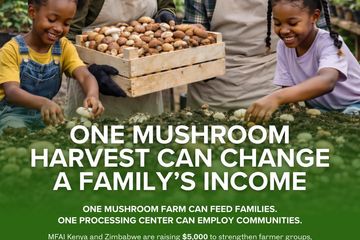
I am creating awareness for this transformative Michigan Fellows Africa Initiatives project set to support small holder farmers majority women and youth in Kenya and Zimbabwe. For as small a contribution as $25 or more, you can be part of this powerful cause!
I trust that my friends on LinkedIn can help raise $5000 by March 31. The unique opportunity is that our total fundraise will be matched 100% by New Africa Fund
Please donate here www.mfaiafrica.org
By:
Raymond Musiima
Saturday, Mar 28, 2026
AGRI-FOOD SYSTEMS
+3

Leave a comment