


Results for "data"
51 Results
Advancing Equitable Global Partnerships in Nutrition and HIV Research
Summary of the Award
The Alliance for African Partnership (AAP) award was a catalytic institutional investment that transformed the trajectory of my global health research program. Nested within the International AIDS Society–funded CIPHER study, the AAP award (RN100284; $100,000) supported a focused investigation of micronutrient deficiency—specifically vitamin D and long-chain polyunsaturated fatty acids (PUFAs)—as modifiable determinants of functional outcomes among school-aged Ugandan children with and without perinatal HIV exposure or infection. This strategic expansion sharpened our hypotheses, deepened cross-continental partnerships, and laid the empirical foundation for a sustained, externally funded program spanning child development and aging with chronic HIV.
Advancing Global Health and Nutrition Science
The award enabled systematic measurement of nutritional biomarkers in the full cohort rather than a limited subsample. This strengthened statistical power and allowed us to determine whether micronutrient deficits compounded baseline impairments and influenced trajectories of cognitive, socioemotional, and quality-of-life outcomes over 12 months. Importantly, AAP funds supported comprehensive assessment of physiologic stress and detailed abstraction of antiretroviral therapy exposure histories—critical for disentangling nutritional, immunologic, and psychosocial influences on child development in HIV-affected settings.
Our findings demonstrated that variation in vitamin D status and fatty acid profiles were biologically meaningful contributors to growth, executive function, and socioemotional adjustment. Nutrition emerged not as a background covariate but as a mechanistic driver of morbidity risk. In sub-Saharan Africa—where perinatal HIV exposure remains common and nutritional vulnerability persists—identifying modifiable micronutrient pathways has direct implications for scalable intervention strategies that complement antiretroviral therapy.
The scientific impact extended beyond childhood. Signals observed in the AAP-supported analyses informed refined hypotheses regarding the vitamin D metabolome as a determinant of cognitive development and decline across the life course. This work directly supported successful NIH funding, including an R21 in adolescents (R21HD088169), extended longitudinal follow-up in children (R01NS122510), and a recent R01 in older adults (R01AG087191) with and without chronic HIV infection. Across these awards and supplements, more than $8.0 million in extramural support has been secured, all building on the mechanistic insights strengthened by the AAP investment. Together, these projects examine nutrition, immune dysregulation, microbiome variation, and neurocognitive outcomes within a unified framework of functional survival.
Partnership and Collaboration Dynamics
The AAP award was intentionally structured to deepen equitable partnership between Michigan State University and the Uganda Society for Health Scientists (USHS). By co-leading the nutrition-focused expansion with Ugandan collaborators, including Dr. Sarah Zalwango and Dr. Philippa Musoke, we ensured that research questions were locally relevant, operationally feasible, and mutually beneficial. The award supported dedicated in-country research personnel and reinforced long-standing cohort infrastructure, strengthening data quality and local capacity.
This infrastructure proved especially critical during the turbulent global research policy environment of 2025. Because of the systems and trust built through AAP-supported collaboration, our team was positioned to absorb external shocks while maintaining continuity of data collection and scientific productivity. The partnership model fostered bidirectional learning and reinforced a sustainable framework for global research engagement.
Within MSU, the award deepened collaboration across Nutrition, Epidemiology, Psychiatry, Neuropsychology, and Biostatistics. Engagement with colleagues such as Dr. Jenifer Fenton and multidisciplinary collaborators created synergy that directly contributed to subsequent NIH R21 and R01 successes. The integration of nutritional epidemiology with neuropsychology, immunology, and global mental health allowed us to move beyond siloed inquiry toward a biopsychosocial model of risk and resilience. Support for student training was another critical dimension of impact. AAP-supported data generated dissertation research for two PhD students focused on fatty acids, vitamin D, and neurodevelopment, and supported a postdoctoral fellow whose ongoing work extends our African partnership into microbiome and metabolomic investigation. These investments align with MSU’s land-grant mission and AAP’s commitment to sustainable, capacity-enhancing collaboration.
Follow-Up Work and Field Advancement
The momentum generated by the AAP award continues to shape our research trajectory. In children, the R01NS122510 study is developing and validating a composite risk index to identify adolescents at high risk for neurocognitive impairment, integrating nutritional, immunologic, and virologic predictors. In older adults, the R01AG087191 project examines vitamin D bioavailability, gut microbiota composition, and dementia risk among individuals aging with chronic HIV infection. Together, these studies represent a life-course continuum directly traceable to the original AAP-supported mechanistic inquiry.
We are also translating these findings into intervention strategies. For children, we are designing biopsychosocial supportive care models that incorporate nutritional optimization alongside psychosocial stress mitigation. For adults, we are investigating modifiable determinants of premature cognitive aging—including micronutrient status and gut dysbiosis—with the goal of preventive intervention. Emerging data on variation in the vitamin D metabolome position our team to address critical gaps in understanding how vitamin D functions within mechanistic nutrition trials, further strengthening our competitive edge.
In sum, the AAP award was more than seed funding; it was a strategic inflection point for my research program. It strengthened transcontinental collaboration, refined mechanistic hypotheses, expanded training pipelines, and positioned our team for sustained NIH funding success. By providing early support that led to our appreciation of consequential variations in vitamin D metabolome, this project has positioned us to continue advancing health globally and domestically with the United States. Specifically, clinical guidelines (Endocrine Society Clinical Practice guidelines and the United States Health and Preventive Task force) on vitamin D has recently been updated and the excitingly, these updates and emphasized knowledge gaps directly align with the innovative insight on vitamin D metabolome we observed as part of the AAP supported projects. There is no doubt that the scientific, collaborative, and translational ripple effects of this investment continue to shape our contribution to global health and nutrition science as we increasingly move towards interventions informed by them.
By:
Baboki Gaolaolwe-Major
Tuesday, Mar 17, 2026
HEALTH AND NUTRITION
+1
Leave a comment
Beyond the Playing Field: Advancing Global Mental Health for International Student-Athletes
Reflecting on who I am and what makes me who I am, it becomes evident that my research interests parallel my lived experiences. As a Japanese American woman raised in the United States and a former student-athlete, I grew up in spaces where perseverance was praised (and often expected), and vulnerability was often considered a weakness. Mental health was rarely discussed openly, and strength was frequently associated with self-reliance. Within athletics, performance and success often came before personal health and well-being. Over time, the intersection of these cultures contributed to my first experiences with mental health challenges and significantly molded the lens through which I view and understand health, struggle, and support in sport.
My current work focuses specifically on international student-athletes (ISAs) competing in the National Collegiate Athletic Association (NCAA). Although they represent roughly 5% of NCAA athletes, ISAs account for over 25,000 individuals who navigate the complexities of higher education, elite sport, and cultural transition. These athletes often face challenges that may include but are not limited to language barriers, pressure to perform, social isolation, and culture shock – all of which can impact mental health and overall well-being.
Given this context, my research journey has been shaped through meaningful collaboration across institutions. My first published study qualitatively explored mental health and help-seeking behaviors among NCAA Division I ISAs throughout their transition, in collaboration with my master’s advisor, Matt Hoffmann, at California State University, Fullerton. The findings underscored the prevalence of mental health stigma as a barrier to help-seeking and the importance of peer support in navigating cultural transitions. Building on this work, I recently co-authored a scoping review of ISA mental health and help-seeking with my current doctoral advisor, Dr. Leapetswe Malete, at Michigan State University, which is now in press. Currently, Dr. Malete and I are further expanding on this research by examining how support from fellow international student-athletes evolves across the phases of cultural transition and which types of support are most meaningful or missing.
Collaboration has strengthened and continues to strengthen this work in important ways as each member of our research team(s) brings their own lived experiences shaped by time spent studying, working, or living in different countries. These diverse perspectives encourage us to question assumptions and remain considerate of cultural nuance and context. In this research that focuses on international populations, cultural responsiveness must be actively addressed. Ongoing conversation allows for the design of studies that are inclusive and sensitive to the intricacies of identity and culture across various contexts. As I have been presently learning, this collaborative approach is imperative for remaining both reflective and reflexive of world perspectives, instead of a single institutional lens.
Across these projects, my colleagues and I purposefully used qualitative methods to amplify the voices of those who are often overlooked or unheard. Through in-depth, semi-structured interviews with NCAA ISAs, I aim to create a safe space for participants to share their unique stories to produce actionable research grounded in lived experiences. Many participants are highly visible on their sport’s playing field, but are frequently unheard at an institutional level. That said, this approach seeks to help bridge that gap and inform tangible changes within universities.
With the continued increase in international student migration around the world, institutions are becoming increasingly diverse and interconnected. As universities expand global partnerships, including collaborations between African institutions and U.S. universities through networks such as the Alliance for African Partnership, it becomes increasingly important to recognize how well-being is affected by cultural transition. Therefore, my research aims to advance understanding of global mental health by highlighting how migration, stigma, and culture intersect within an understudied population (i.e., ISAs). By applying a theoretical framework, this research illustrates that mental health and well-being evolve over time within transitional contexts. Interpreting these shifts allows institutions to anticipate challenges within these communities, rather than react when distress becomes visible.
While our current research has examined ISAs migrating to the U.S., its findings have practical implications for university policies and student support systems across the globe. Institutions that enroll international students may benefit from intentionally creating opportunities for connection early in the transition process. Our findings suggest that ISAs often value relationships with others who share comparable experiences. Furthermore, peer support from other international students is consistently reported as the most meaningful and helpful form of connection. By proactively facilitating these connections, institutions can shift from reactive toward preventative approaches that foster inclusive environments where not just ISAs, but all students are able to experience more consistent states of overall positive well-being.
Conducting research with ISAs, has been both rewarding and humbling. Mental health remains stigmatized in many contexts, resulting in difficulty recruiting participants and in quickly cultivating a space that feels psychologically safe enough for them to open up about personal struggles. Learning and engaging in qualitative research has constantly reminded me that my own background shapes how I interpret and interact with the participants and the data. These projects have reinforced the importance of mindfulness and reflexivity in research, and in recognizing that I inevitably play a role in how others’ lived experiences are conveyed.
While our research thus far focuses on ISAs in the U.S., cultural transition and student well-being are worldwide experiences. Looking ahead, I hope to continue expanding this work through engagement with researchers and institutions across nations, to better understand the nuances of various cultural contexts, the challenges they may bring, and their effects on wellness. Moreover, it is my hope that this research contributes to global conversations on mental health and encourages more translational research into preventive and inclusive approaches to supporting students across diverse institutional settings.
By:
Baboki Gaolaolwe-Major
Thursday, Mar 5, 2026
HEALTH AND NUTRITION
+2

Leave a comment
From Research to Impact: Strengthening Adolescent Nutrition in Malawi
In alignment with AAP’s promotion of and support for global health and nutrition through collaborations, Aaron Chikakuda is a 2025 awardee of the Dissertation Research Support Fund to facilitate data collection for his dissertation research in Malawi. Aaron is completing a PhD in human nutrition in the Department of Food Science and Human Nutrition under the guidance of Dr. Lorraine Weatherspoon at Michigan State University (MSU).
His research is titled “Efficacy of Weekly Iron and Folic Acid (WIFA) Supplementation Among Adolescent Girls (15– 19 years) in Malawi”.
Given the disproportionately high rates of nutritional anemias in adolescent girls (35%) in conjunction with high teenage pregnancies in Malawi (average 30% in girls 15-19 years of age), a weekly iron and folic acid supplementation program in female adolescents was initiated. The major aim of the weekly iron and folic acid supplement program (WIFA) is to address adherence and poor outcome challenges of the WHO main stay program of daily iron and folic acid supplementation in pregnant women. Most women start receiving prenatal supplements later than the recommended time of pre-conception or very early in pregnancy to maximize benefits of folic acid supplements in particular to curb adverse nutritional and pregnancy outcomes. Because the efficacy of the WIFA program is not known in Malawi, funds from the AAP Dissertation Research Support Fund Award, are assisting Aaron in investigating whether adolescent females receiving weekly iron and folic acid supplements have improved health and nutrition outcomes compared to a control sample. Data collection includes sociodemographic and nutrition intake information in addition to hematological parameters: hemoglobin, serum folate and red blood cell folate; anthropometric indices: body mass index (BMI) and mid upper arm circumference (MUAC), as well as pregnancy outcomes in a subgroup such as weight gain in pregnancy, gestational age, birth weight and birth defects (neural tube defects).
This is a three-phase study. Phase I of the study encompasses a pre-post research design with intervention and control groups (total n=750). Female adolescents that are receiving iron and folic acid supplements comprise the intervention arm of the study and female adolescents not receiving iron and folic acid supplements are the control group. The study focuses on two districts in central Malawi (Lilongwe and Dedza) and two districts in southern Malawi (Blantyre and Mwanza) based on high prevalence of teenage pregnancies in the areas. Data collection includes baseline followed by endline after 6 months to evaluate the efficacy of the program. The second phase of the study is a qualitative assessment using in-depth interviews and focus group discussions to document experiences of adolescent females taking part in the weekly iron and folic acid supplementation program as well as key informant interviews to document experiences, challenges and insights of officers from relevant governmental (Ministry of Education and Ministry of Health) and non-profit (UNICEF, World Food Program and Evidence Action) organizations involved in the program. In the third phase a subsample of pregnant adolescents will be followed up until delivery. Upon delivery of the baby, assessments on pregnancy outcomes will be conducted and documented. Laboratory staff and graduate students at Lilongwe University of Agriculture and Natural Resources as well as teachers and school nurses in Malawi are providing valuable in country data collection and study monitoring assistance. The study results will be published in scientific journals and disseminated through conference presentations and policy briefings for the ministry of health and ministry of education in Malawi and other relevant stakeholders.
After completing PhD training at Michigan State University, Aaron intends to build on this work, by continuing to generate evidence and provide policy direction on health and nutrition in women and children. He intends to continue nurturing collaborations with The Ministry of Education Science and Technology Department of School Health and Nutrition, Ministry of Health Department of Nutrition, non-profit organizations, Lilongwe University of Agriculture and Natural Resources, Michigan State University and other international partners. Aaron also plans to help build capacity in health and nutrition through training of graduate level nutrition experts by equipping them with skills in evidence-based practice, implementation of community sensitive nutrition and development projects, advanced research, and inform public health policies in Malawi. He greatly appreciates the AAP Dissertation Research Support Fund Award, which was critical for covering research expenses for PhD degree completion following termination of his USAID support mid-program. It has also opened numerous opportunities for further collaboration and career growth.
By:
Baboki Gaolaolwe-Major
Thursday, Mar 5, 2026
HEALTH AND NUTRITION
+1

Leave a comment
Strengthening Child Mental Health in the DRC: From Early Caregiving to School-Age Resilience
Children’s mental health is deeply shaped by the environments in which they grow—and at the center of that environment is the family. In low- and middle-income countries (LMICs), where families often navigate poverty, limited infrastructure, and fragile health systems, understanding how early caregiving influences long-term mental health is both urgent and transformative.
A new NIH-funded longitudinal study led by faculty at Michigan State University is addressing this critical question in the Democratic Republic of the Congo (DRC). Building on a previous early childhood parenting intervention, the project examines whether strengthening caregiving practices early in life can produce lasting mental health benefits as children reach school age.
At the heart of the study is the Mediational Intervention for Sensitizing Caregivers (MISC), a year-long, biweekly parenting support program designed to enhance responsive caregiving and promote children’s early cognitive and emotional development. While programs like MISC have demonstrated clear short-term benefits, far less is known about whether these early gains translate into sustained improvements in mental health as children grow older. This study seeks to close that gap.
Researchers are following 100 children whose mothers previously completed the MISC intervention and 114 children whose mothers received standard care. Over a three-year follow-up period, children’s mental health is assessed annually using a comprehensive set of tools, including measures of executive functioning and self-regulation, emotional and social communication assessments, video-recorded caregiver–child interactions, standardized mental health checklists, and innovative eye-tracking technology that measures children’s responses to short video scenes depicting distress and comfort. By combining behavioral observation with physiological and cognitive indicators, the study offers one of the most comprehensive examinations of child mental health trajectories in the region.
Importantly, the project does more than evaluate whether MISC works—it seeks to understand how and why it works. Researchers are examining family social factors such as caregiving environment, parental self-efficacy, and school attendance, alongside maternal mental health and child growth indicators. These factors are analyzed both as pathways through which the intervention may influence outcomes and as independent predictors of child mental health. The study also takes a dyadic perspective, recognizing that child and caregiver mental health are deeply interconnected. By assessing reciprocal influences over time, the research captures the dynamic processes that may strengthen resilience—or heighten vulnerability—within families.
The study is led by Dr. Itziar Familiar-Lopez and Dr. Michael Boivin of the Department of Psychiatry at Michigan State University. Dr. Boivin brings more than three decades of experience in child neurodevelopment research in Sub-Saharan Africa, while Dr. Familiar-Lopez contributes extensive expertise in maternal mental health, family systems, and longitudinal global mental health research. In-country leadership and partnership are central to the project’s success, with Dr. Desire Tshala and his team at the Institute National pour la Recherche Biomedical working closely with Dr. Zacharie Mulumba, a Congolese researcher and Mandela Washington Fellow.
For Dr. Mulumba, the project has been both professional and deeply personal. After being selected among more than 10,000 applicants for the Mandela Washington Fellowship, he completed a six-week Civic Engagement program at Michigan State University. There, an introduction to Dr. Boivin sparked a collaboration that would take him from East Lansing to Kahemba, a remote region in the DRC heavily affected by konzo—a neurological condition linked to cyanide exposure from improperly processed cassava.
Before returning home, Dr. Mulumba received training in eye-tracking technology, which was being used for the first time in this setting. Soon after, he traveled by road for two days—nearly 19 hours on the second day alone—to reach Kahemba. The challenges were immense: impassable roads, limited infrastructure, families relying on seasonal forest activities for survival, and children affected by konzo with severe motor impairments. Despite these barriers, the research team conducted eye-tracking assessments with approximately 130 children. Community members were welcoming, and conversations with parents—particularly mothers—offered powerful insight into daily realities and resilience.
Returning to Kinshasa after weeks in Kahemba felt, in Dr. Mulumba’s words, like “entering another world.” The experience underscored a central lesson of global health research: local context, patience, and partnership are indispensable.
Mental health disorders account for a growing burden of disease globally, yet prevention strategies tailored for LMIC contexts remain limited. By establishing whether early parenting support produces durable mental health benefits—and identifying the family and developmental mechanisms that drive those effects—this study provides critical evidence for scalable, culturally responsive interventions.
At its core, this work reminds us that strengthening caregiver–child relationships early in life may be one of the most powerful tools we have to promote resilience, dignity, and long-term well-being. Through sustained partnership and shared commitment, this collaboration between researchers in the United States and the DRC is helping to shape a future where children’s mental health is supported not only in theory, but in practice—within the communities where it matters most.
By:
Baboki Gaolaolwe-Major
Friday, Mar 20, 2026
HEALTH AND NUTRITION
+1
Leave a comment
Bridging Traditional Medicine and Data Science: A Transcontinental Approach to Diabetes-Related
As the global health community increasingly recognizes that the most persistent health challenges require collaborative interdisciplinary solution, the intersection of traditional knowledge and modern statistical innovation offers particularly promising avenues for advancement. Through the Alliance of African Partnership’s (AAP) African Futures Program, my year as a visiting scholar at Michigan State University in (MSU) has embodied this collaborative spirit, marrying Africa’s rich ethnobotanical heritage with innovative biostatistical methodologies to address one of the continent’s most pressing, yet often overlooked, diabetes complications.
Diabetes-induced erectile dysfunction (DIED) affects an estimated two-thirds of male diabetic patients globally, with prevalence rates exceeding 71% in African populations. Despite these staggering figures, conventional pharmacological interventions, primarily phosphodiesterase type 5 inhibitors, offer merely symptomatic relief while failing to address underlying hormonal and metabolic dysregulation. Moreover, these treatments remain inaccessible to many due to cost, adverse effects and contraindications in cardiovascular compromised patients. This clinical gap has driven my research focus toward evaluating indigenous medicinal plants that have supported African communities for generations, specifically Mondia whitei (Mw) and Withania somnifera (Ws), traditionally renowned for their adaptogenic and aphrodisiac properties.
The African Futures Program has provided the essential infrastructure to transform this research from a localized inquiry into a globally informed investigation. I have spent the 2025 academic year collaborating closely with my two mentors: Prof. Yuehua Cui in MSU's Department of Statistics & Probability and Prof Calvin Omolo of USIU-Africa, Department of Pharmacy Practice & Public Health. This partnership has been instrumental in elevating our methodological approach by moving beyond standard herbal efficacy testing to implement mixture design experiments and advanced regression analyses that can detect subtle synergistic interactions between bioactive compounds.
Our recent study, conducted at USIU - Africa Pharmacy Laboratories represents a paradigm shift in phytotherapeutic research methodology. Rather than testing herbs in isolation, a common limitation in traditional medicine research, we employed advanced mixture design methodologies to evaluate the combined effects of Mondia whitei and Withania somnifera in alloxan-induced diabetic rat models. The results have been compelling. While the individual extracts showed modest improvements in testosterone restoration and glycemic control, an optimized herbal combination demonstrated statistically significant synergistic effects producing the greatest improvement in testosterone levels and substantial reductions in fasting blood glucose compared to single-herb treatments. These findings suggest that strategic combination of these herbs may simultaneously address the metabolic deregulation and vascular dysfunction underlying DIED through complimentary pathways, Withania somnifera improving insulin sensitivity and systemic metabolic health while Mondia whitei enhances local nitric oxide critical for erectile function. Further research is underway to identify optimal formulation ratios and validate these effects in clinical settings.
What distinguishes this research within the global health landscape is its commitment to methodological rigour that meets international standards while remaining culturally grounded and accessible. During my tenure at MSU, I have actively disseminated these findings through high-impact academic channels including presentations at the Dahshu Data Science Symposium on "Innovative Frontiers: AI and Data-Driven Advances in Drug Development" and at the 2025 Women in Statistics and Data Science Conference. These platforms have not only amplified African pharmaceutical research within global scientific discourse but have also facilitated crucial networking with biostatisticians and epidemiologists exploring similar One Health intersections between plant-based interventions and chronic disease management.
Beyond the laboratory and conference podium came other openings through this fellowship. Our research team was recently selected for the 3rd cohort of the Collaborative Online International Learning (COIL) Faculty Fellows Program. This will enable us to develop virtual exchange curricula that will train the next generation of African Epidemiology and Public Health researchers in advanced biostatistical methods. Additionally, I have engaged extensively with MSU’s research ecosystem through workshops hosted by the American Statistical Association, the Department of Epidemiology & Biostatistics, and specialized training in machine learning applications for healthcare data skills that are already informing grant proposals aimed at securing sustainable funding for this research trajectory.
As we look toward translating these preclinical findings into clinical applications, the importance of sustained international partnership becomes increasingly evident. Current pharmacological solutions for DIED remain inadequate for Africa’s growing diabetic population, projected to double by 2045. The development of evidence-based Phytomedicines, validated through rigorous statistical frameworks yet derived from accessible indigenous resources, represents a uniquely African solution to a global health challenge. However, realizing this potential requires continued collaboration between African research institutions and international partners who can provide advanced analytical capabilities, funding access, and platforms for global advocacy.
The AAP’s version of advancing health through collaboration finds its truest expression in such transcontinental research partnerships. By connecting USIU - Africa’s ethno-botanical expertise with MSU’s statistical progress, we are not merely studying herbal extracts; We are modeling a new approach to global health research, one that respects traditional knowledge systems while demanding scientific excellence. As we finalize our first publication and prepare grant applications for expanded clinical trials, I am reminded that the most powerful innovations in health often emerge not from isolated laboratories, but from the fertile intersection of diverse perspectives, methodologies, and shared commitment to healing.
In an era where pharmaceutical accessibility remains profoundly equitable, partnerships that validate and optimize Indigenous medicinal resources offer more than academic advancement, they offer hope for sustained, culturally congruent healthcare solutions. Through the African Futures Program, we are demonstrating that when African traditional medicine meets rigorous biostatistical science, the result is not just better research, but a pathway toward health equity that honors both our scientific aspirations and our cultural heritage.
Gladys G. Njoroge is a research scholar with the Alliance for African Partnership at Michigan State University and faculty member at USIU-Africa, Department of Pharmacy Practice & Public Health. Her research focuses on phytotherapeutic interventions for diabetes complications and the application of advanced statistical methodologies in traditional medicine research.
By:
Baboki Gaolaolwe-Major
Tuesday, Mar 3, 2026
HEALTH AND NUTRITION
+1
Leave a comment
Michigan State University and the Alliance for African Partnership Awarded $895,000 Carnegie Grant
FOR IMMEDIATE RELEASE
Michigan State University and the Alliance for African Partnership Awarded $895,000 Carnegie Grant for REIMAGINE Project Advancing Graduate Education and AI in Africa
Michigan State University (East Lansing, Michigan) has been awarded a 36-month, $895,000 grant from the Carnegie Corporation of New York under its prestigious Higher Education in Africa program. The grant will support the Alliance for African Partnership (AAP) consortium’s efforts to advance innovative graduate education ecosystems across African universities and to develop a collaborative, transdisciplinary doctoral program focused on artificial intelligence.
The AAP REIMAGINE initiative supports forward-thinking strategies that reshape higher education for the future. Through this investment, AAP—MSU’s flagship platform for equitable and sustainable collaboration with African higher education institutions—will expand its work to strengthen graduate student environments, enhance supervisory and research cultures, and foster institutional systems that enable student success on the continent.
A key component of the project is the development of multiple Artificial Intelligence Doctoral Training Programs, designed to equip a new generation of African scholars with advanced AI expertise, research skills, and leadership capacity. The initiative will leverage MSU’s long-standing partnerships with universities across Africa, ensuring African-led direction, contextual relevance, and sustainability.
“The REIMAGINE Project is fundamentally about examining how doctoral education and research ecosystems across African universities can evolve to better support transdisciplinary scholarship in artificial intelligence,” said Dr. Jose Jackson-Malete, Co-Director of the Alliance for African Partnership and Project Lead for the Carnegie-funded REIMAGINE initiative. “This work is critically needed now. Without intentional investment in doctoral training, supervision systems, and collaborative research environments, Africa risks falling behind in shaping—and benefiting from—the rapid advances in AI that are already transforming societies and economies worldwide.”
Over the next three years, the project will:
Review and strengthen policies for graduate student mentorship, supervision, and research environments across AAP member institutions.
Support institutional innovations that promote student well-being, academic success, and professional development.
Launch a continentally grounded transdisciplinary doctoral program focused on artificial intelligence, expanding access to emerging fields that drive economic and societal transformation.
Foster deeper collaboration between MSU scholars and African research teams through joint programs, co-created curricula, and capacity-building initiatives.
Since its inception in 2016, AAP has worked across the consortium and beyond to promote equitable partnerships, research excellence, and sustainable development solutions. This new investment from Carnegie marks a pivotal milestone in scaling AAP’s impact on higher education transformation.
About the Alliance for African Partnership (AAP) AAP is a consortium convened by Michigan State University to promote collaborative, transdisciplinary partnerships among 10 member African institutions, MSU, and global stakeholders. The Alliance focuses on building capacity, supporting innovation, and advancing shared research priorities that address global challenges.
About the Carnegie Corporation of New York Founded in 1911 by Andrew Carnegie, the Carnegie Corporation of New York is one of America’s oldest philanthropic foundations focused on advancing knowledge and understanding through grants in education, strengthening U.S. Democracy, international peace and security, and higher education in Africa, supporting initiatives that promote civic engagement, reduce polarization, and foster global cooperation, continuing Carnegie's legacy of social progress. The REIMAGINE program supports bold, future-focused approaches to revitalizing higher education and strengthening global knowledge systems.
By:
Baboki Gaolaolwe-Major
Thursday, Jan 22, 2026
YOUTH EMPOWERMENT
+2

No Preview Available
Leave a comment
AAP Global Engagement Fund Support Arts-Based Youth Research and Engagement
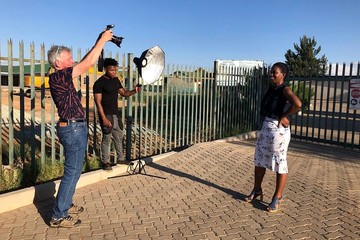
When photographer and educator Prof. Peter Glendinning of Michigan State University returned to South Africa this September, his goal went far beyond presenting artwork. Supported by the Alliance for African Partnership (AAP) Global Engagement Fund (GEF), Glendinning traveled to Johannesburg and Cape Town to advance a collaborative, arts-driven research initiative that is reshaping how youth experiences are documented and understood across Africa. For years, Glendinning has been developing Attached to the Soil, a project that pairs portrait photography with metaphor and narrative to explore young people’s aspirations, challenges, and identities. What began as a 2019 Fulbright project in South Africa has evolved—through sustained partnership—into a model for how the arts can generate meaningful social insight. This work aligns directly with AAP’s culture & society priority area, which supports projects that use cultural expression to address complex societal issues.
Strengthening a Continental Research Partnership
During his visit, Glendinning met with partners at University of Pretoria, one of AAP’s 12 member institutions, including Prof. Zitha Mokomane, a professor in the Department of Sociology and Deputy Dean for Teaching and Learning in the Faculty of Humanities, who has been conducting sociological analysis of the project’s original youth-created images and stories. The findings point to recurring themes: belonging, hope, fear, opportunity, and the persistence of socio-economic barriers.
With support from the Global Engagement Fund, the partners spent their time together outlining the next phase of the work—a potential 2027 pan-African expansion that could engage youth from multiple institutions and countries. The goal is to create one of the most comprehensive collections of narrative and visual data on African youth aspirations to date.
“The dataset we envision would allow us to compare experiences across countries, contexts, and cultures, using the arts as a bridge,” Glendinning explained. The in-person meetings made possible by the GEF award were essential for refining the research design, establishing a shared methodological framework, and preparing for future proposal development.
Cultural Institutions as Crucial Partners
Glendinning’s work emphasizes not only the creation of new cultural materials but also the preservation of Africa’s photographic heritage. While in Johannesburg, he met with leaders at the Bensusan Museum of Photography to advance efforts to secure funding for preserving its internationally significant collection of historic photographic equipment and images. He also held discussions at the Nelson Mandela Foundation, which held an 8-month exhibit of the project in 2023, exploring how youth-generated narratives from Attached to the Soil could contribute to public memory and civic learning through the foundation’s ongoing partnership. These engagements expand the project’s reach beyond academia and into community and heritage spaces—an approach deeply aligned with AAP’s focus on research for broader impact.
Festival Participation Amplifies Youth Perspectives
Glendinning’s work also reached public audiences during the inaugural Cape Town Photography Festival, where Attached to the Soil opened as an exhibition at the Simon’s Town Museum. The festival setting provided a platform for deeper conversation around the project’s themes. During a public dialogue, Glendinning and Malissa Louw, one of the original participants, spoke about the creative process and the realities behind the images—drawing attention to the power of youth storytelling as a form of social documentation.
He also led two workshops: a digital photography master-class for community members and a session for 40 students at the Cape Peninsula University of Technology. Both emphasized photography as a tool for reflection, empowerment, and evidence-gathering—illustrating how artistic training can support community insight and youth leadership.
A Model for Arts-Driven, Partnership-Based Research
Following the festival, Glendinning continued planning with Prof. Mokomane during her September visit to Michigan State University, which was also supported by the GEF. Together, they are refining the concept for the multi-country expansion and identifying ways for AAP partners to contribute to the next phase.
For AAP, Glendinning’s and project and his partnership with Mokomane exemplify the role arts and culture can play in addressing societal challenges: by elevating local narratives, strengthening community connections, and deepening understanding across diverse contexts. The Global Engagement Fund is central to this impact—making it possible for faculty like Glendinning to build the relationships and shared vision that long-term, equitable partnerships require.
As plans move forward, Attached to the Soil will offer youth across the continent the chance to tell their stories—and help researchers, educators, and communities better understand the world through their eyes.
By:
Baboki Gaolaolwe-Major
Monday, Dec 15, 2025
CULTURE AND SOCIETY
+2
Leave a comment
AAP Steps Up Its Global Footprint at Falling Walls 2025
The Alliance for African Partnership (AAP) strengthened its global visibility this year with a significantly expanded presence at the Falling Walls Summit in Berlin, signaling a new phase in Africa’s engagement with one of the world’s leading platforms for science, innovation, and societal impact.
The momentum follows a fast-growing collaboration between AAP and the Falling Walls Foundation, an alliance that has already produced tangible results. LUANAR in Malawi became the first institution in the consortium to launch a combined Falling Walls Engage and Lab, followed by the University of Botswana, which introduced the Gaborone Lab in 2025 and is preparing to roll out the Engage program in 2026. For AAP, these developments are more than individual wins: they mark the beginning of a wider rollout across the consortium, designed to strengthen research communication and create a more connected science engagement ecosystem across Africa.
At this year’s Summit, AAP member universities made their strongest showing yet. Lab winners from LUANAR and the University of Botswana took the stage in Berlin, showcasing African innovation to an international audience of scientists, investors, policymakers, and global media. Senior leaders from across the consortium also attended, led by Michigan State University’s Vice-Provost for International Studies and Programs, Professor Titus Awokuse.
During the delegation meeting with Falling Walls’ Executive Director, Andreas Kosmider, there was clear enthusiasm about the trajectory of the partnership. Discussions focused on deepening African participation in next year’s Summit and widening the circle of collaborators to include government ministries, policymakers, and funding agencies, an effort aimed at opening new channels for African–German cooperation.
For AAP, the stakes are high. Strengthening research communication equips young African scientists to tell their stories compellingly, improving public understanding and increasing the influence of research on policy. The Labs, meanwhile, function as early-stage innovation pipelines, giving African entrepreneurs exposure, mentorship, and a global platform for emerging ideas. The partnership also enhances institutional visibility, positioning African universities as active players in global science diplomacy.
Planning has already begun for next year’s Summit, with AAP leaders working on a coordinated roadmap to ensure a more visible and more diverse African presence in 2026. The goal is not simply to attend, but to shape the agenda by bringing African voices, research, and innovation to the centre of the global conversation.
As AAP expands its Falling Walls footprint, the partnership is beginning to look less like a program and more like an ecosystem-building catalyst. It is strengthening the consortium internally, opening new possibilities externally, and giving African researchers and innovators a much-needed global stage. And if the early signs are anything to go by, the walls separating African science from global visibility are starting to crack, making space for a new era of collaboration and opportunity.
By:
Baboki Gaolaolwe-Major
Thursday, Dec 11, 2025
CULTURE AND SOCIETY
+3

Leave a comment
2025 AAP Consortium Delegates Welcomed in Classic Warm Heart of Africa Style
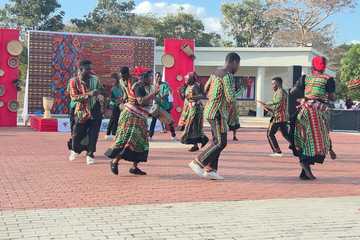
Delegates to the AAP Consortium Meeting in Malawi were welcomed with a vibrant cultural reception on the afternoon of Sunday, June 8, 2025, at the Bingu International Convention Centre (BICC) Amphitheatre. The event offered a rich immersion into Malawi’s cultural heritage, from traditional dances that transported participants across the country, to rhythmic music echoing tales of generations past, complemented by a curated selection of local foods and beverages. Set in the warmth of Malawian hospitality, the reception also featured interactive activities celebrating African cultural diversity through language games and cultural lightning talks.
Reception Planning
The reception was carefully designed to celebrate cultural identity and diversity while ensuring an enjoyable and memorable experience for all attendees. Preparations began with identifying local performance groups whose artistry authentically reflects the Malawian cultural brand. Consultations with selected groups ensured a thoughtful balance of energetic and soothing performances suited to a diverse audience, ultimately creating a programme that offered a cultural tour of Malawi through music and dance. Organisers also coordinated with the hosting hotel to incorporate Malawian cuisine on the cocktail menu, showcasing the country’s culinary heritage. With the performances and menu in place, the reception hosts curated additional interactive activities to promote cultural exchange and engagement among delegates.
Performances
The Malawi National Dance Ensemble, popularly known as the Kwacha Cultural Troupe, headlined the afternoon. Established in 1987, the renowned 30-member troupe delivered a captivating sequence of traditional dances representing Malawi’s regions. Their repertoire included Beni, Chimtali, Chisamba, Chiterera, Mjedza, Malipenga, Ingoma, Mganda, Vimbuza, and Gule Wamkulu—the iconic masked dance of the Chewa people. Adding to the ambiance, Owen Mbilizi and his team offered a rich musical experience featuring original compositions and Malawian classics, blending skilled instrumentation with harmonious vocals. Delegates responded with enthusiastic applause and cheers throughout the performances.
Local Foods
Participants enjoyed an assortment of local delicacies, including mandazi, zitumbuwa (banana fritters), malambe (baobab) juice, and thobwa (sweet beer), alongside familiar continental snacks. The refreshment break provided an informal space for delegates to mingle, exchange reflections, and deepen their appreciation of the cultural showcase.
Significance
The cultural reception successfully highlighted Malawi’s artistic and culinary traditions while fostering a shared appreciation for cultural diversity among delegates. It was an afternoon filled with warmth, laughter, and a strong sense of community, the perfect icebreaker for the week’s engagements.
By:
Baboki Gaolaolwe-Major
Tuesday, Dec 9, 2025
CULTURE AND SOCIETY
+1
Leave a comment
From Lens to Learning: Alex Mkwizu’s Transformative MSU Journey
When Ibn Battutah said, “Traveling—it leaves you speechless, then turns you into a storyteller,” in his famous volumes Travels of Ibn Battutah, little did I know how profoundly this wisdom would echo throughout my eight-day experience at Michigan State University (MSU), East Lansing. I had the honor of attending as the overall winner of the InVision Africa Photography Competition, curated and sponsored by the Alliance for African Partnerships. This MSU initiative champions collaboration with African universities in art, culture, language, and other fields.
My time at MSU was eye-opening, filled with warm introductions to professors and artists. I met Professor Peter Glendinning from the Kresge Art Center, whose expertise in photography was inspiring; Professor Susan Wyche, who specializes in Human-Computer Interaction (HCI); and Mr Vadu Rodrigues, a Master of Fine Arts candidate, from whom I learned how his personal influences shaped his narrative and storytelling in photography. I also met many other colleagues, learning from their diverse experiences and creative processes.
These key encounters with experts and practitioners across different artistic disciplines opened doors for me to continue exploring, collaborating, and discovering new opportunities as a multidisciplinary creative artist passionate about the intersection of data, technology, and human-centered storytelling.
One of the most memorable encounters was with Professor Peter Glendinning and his body of work Attached to the Soil, a brilliant photographic project consisting of fifty portraits, oral history-based stories, and metaphoric representations of South African youth. He shared fascinating insights into his process, including an old, rare tool he once used to achieve a stroboscopic effect before the era of advanced cameras and editing software. What stood out most to me was that each photograph’s story was told from the perspective of the subject themselves, a powerful approach to narrative photography.
Another remarkable interaction was with Mr. Vadu Rodrigues and his artistic initiative Positive Africa, which seeks to challenge negative and biased narratives about Africa through photography and other art forms. Spending time with him in his studio was deeply insightful. I admired his practice of carrying a small notebook to document daily experiences and visual ideas that later influence his creative work. Observing his process from conceptualization to a finished art piece was a masterclass in intentional storytelling.
The culmination of this experience profoundly influenced my growth as a creative technologist and multidisciplinary artist. It also opened new doors for collaboration, one of which came through the MSU Museum CoLab Studio. I learned about a call for artists to create a piece exploring AI singularity in all its forms. Having subscribed to the studio’s newsletter, I received the announcement and decided to apply with a concept for a Virtual Reality immersive experience: a VR tribunal where sentient AIs bring cases against humans. Participants take the role of the defendant, while a generative AI judge, UbuntuBot, presides, modelled on African communal justice systems. The project merges storytelling, ethics, and digital futures.
As the old proverb goes, “Luck is when opportunity meets preparedness.” Fortunately, I was selected as one of the artists to collaborate with the MSU CoLab Studio, supported by a seed grant to bring this piece to life and exhibit it at the MSU Museum.
While the journey has only just begun with MSU Art Community, the experience with the Invision Africa Photography Competition and the exposure and connections made within MSU’s artistic community have left a lasting and transformative impact. It will continue to shape my creative path and remain a defining part of my artistic journey.
By:
Baboki Gaolaolwe-Major
Tuesday, Dec 9, 2025
CULTURE AND SOCIETY
+1
Leave a comment
Celebrating The Role of Art and Creativity in Shaping Global Partnerships
Photo by: Cris Dopher.
The arts represent the most imaginative and creative form of expression, integral to the civilizational progress of communities worldwide. In Uganda, an East African country where I originate, the arts are embodied and lived through music, dance, theatre, poetry, storytelling, folktales, and other forms of artistic engagement. The cultural, historical, social, and political meanings are etched in the art forms of the people. The arts are evolutionary and revolutionary, depicting the changes and continuities, and instigating shifts in the lived experiences of communities.
The arts have demonstrated their value in fostering community transformation across histories and territories. In Africa, the role of the arts has evolved in tandem with sociocultural, political, and economic changes in communities. The arts have offered platforms to sensitize communities around ever-emerging challenges, such as disease, climate change, conflicts, forced migration, gender-based violence, poverty, and cultural differences, among others. The functions of the arts have transcended stage performances and entertainment. Communities have deployed their creative and artistic potential to explore local solutions to prevailing problems. Within international development discourse on Africa, there is talk about ‘Africa finding local solutions to African problems’. Arts-oriented interventions that communities have applied and sustained offer a rubric on how communities in Africa can develop and implement sustainable and cost-effective solutions to local challenges.
The migratory and borderless natures of the creative arts, and their distinctiveness as a universal language, position them strategically to mediate differences, heal broken communities, quell tensions, and pluralize perspectives. The transnational and transcultural nature of the creative arts is evident in how they are constituted by cross-pollination of diverse cultural traditions, stories, and orthodoxies. The art forms are reinvented and reimagined at the intersection of other existing artistic practices. The aspect of embodiment that gives the arts their true meaning and essence centers people, as bearers of practices, meanings, and knowledge.
The global flow of art forms stems from local innovations. The being of the global dimension of the creative arts is rooted in their local value. Art proliferates by diffusion. The notion of art being born of people’s imaginaries enables its adaptation, assimilation, transcendence, and permeation across localities and contexts. Across Africa, the Black Diaspora, and global indigeneity, the commonalities between the arts demonstrate their universal reach, underscoring histories of migration, cultural connections, and intercultural interfaces.
Scholarship, practice, and research are media through which the arts have found expressions in transboundary contexts. In the realm of scholarship, collaborative research in the creative arts has increased, generating rich and diverse knowledge that has improved the human condition. The mobility of scholars and researchers between cultures and nationalities has augmented the exchange of expertise and circulation of artistic and cultural ideas and practices.
My current tenure as an African Futures Fellow at Michigan State University under the auspices of the Alliance for African Fellowship (AAP) is testimony to how the creative arts and artists can support global partnerships through scholarship and research. As a dance studies scholar at Makerere University in Uganda, East Africa, the program has supported me to connect with scholars at MSU and the US; co-write articles for publications; present at conferences; collaborate on artistic works with communities; and partner with researchers on ideation, incubation, writing, and submission of research grant ideas. Such engagements have facilitated the convergence of ideas, cultures, and people. My story represents a myriad of scholars who are leveraging the scholarly prowess of the creative arts to dissolve boundaries and dismantle barriers.
The arts have accelerated global partnerships through joint performances and collaborative creative processes. Worldwide, concerts, festivals, competitions, showcases, and productions have facilitated exchanges between artists, communities, artistic works, and audiences, and have supported the mobilization of resources through fundraising to care for those in need. The arts have been the heartbeat of globalization. Through exposure to different artistic forms, communities have peeked into cultures beyond their own. The creative arts carry a unique ability to communicate across generations, demographics, cultures, and geographies. Communities across the globe have united through the creative arts to draw attention to and amplify the voices of the oppressed.
The emergence of innovative technologies and platforms has empowered creatives worldwide to access wider audiences and listenership. Technology has democratized access and consumption of creative artworks globally. For Africa, the innovative platforms have enabled people to tell their own stories and confront stereotypical views through artistic and cultural products. Global business collaborations have emerged, resulting from the potential for the creative arts to circulate as commercially valuable products.
The creative arts possess inherent power to unite people across divides. As the world confronts challenges of conflicts, climate change, food insecurity, natural disasters, disease, social injustices, forced labour, and human trafficking, among others, the arts will continue to take center stage as strategic tools through which global communities can partner to find solutions to these problems. The creative arts have always been the heart that gives and receives.
By:
Baboki Gaolaolwe-Major
Thursday, Dec 11, 2025
CULTURE AND SOCIETY

Leave a comment
Shaping Global Partnerships Through Science, Technology, and Education
A Profile of Nizar Lajnef, MSU’s New Associate Dean for Research and International Partnerships.
On August 16, Michigan State University (MSU) appointed Nizar Lajnef as the new Associate Dean for Research and International Partnerships of MSU’s International Studies and Programs (ISP). For Lajnef, the role represents both a return to his roots and an opportunity to shape MSU’s global engagement at a critical time.
Originally from Tunisia, Lajnef first came to MSU as an international student. Having completed a USAID-funded master’s program in Tunisia in collaboration with Virginia Tech, he went on to pursue both his Master’s and PhD at Michigan State. That experience gave him a firsthand appreciation for the transformative power of international education—not only for students, but also for the global image of academia and the “soft impact” that collaboration brings to communities and societies. “Education,” he reflects, “is the first thing that should be an objective when you reach out and collaborate with people. It’s something very close to my heart.”
Throughout his career, Lajnef has remained deeply connected to Africa. His research and professional engagements have taken him across the continent and beyond, with work spanning more than 20 countries in Europe, Asia, and Africa. He sees this new role as a way to give back and to step up during what he calls “a very difficult time for international studies.” Rather than shy away, he views this moment as an opportunity to strengthen MSU’s global ties and make them more resilient.
Lajnef brings with him extensive research experience and a record of success in securing external funding—close to $28 million over the course of his career. His expertise lies in areas at the forefront of global transformation, particularly the digital economy and the impact of artificial intelligence (AI) on developing countries. He believes these fields will shape the future of education, employment, and entrepreneurship, and sees enormous potential for Africa. “If I look at the number of startups in AI around the world,” he notes, “the U.S. and China dominate. In Africa, across more than 50 countries, there have been barely a dozen in the past five years. There’s a tremendous opportunity there, and it’s one of the strengths I want to bring to MSU’s global agenda.”
At the heart of his vision is the commitment to equitable partnerships. MSU, he emphasizes, has a long history of meaningful collaborations with African institutions—relationships built not on one-sided aid or extractive research, but on mutual benefit, capacity building, and shared impact. He argues that the future of MSU-Africa collaborations lies in deepening these ties, ensuring that investments in research, infrastructure, and digital transformation deliver value both to African universities and communities as well as to MSU. Key areas of opportunity, he suggests, will include infrastructure development—such as telecommunications, transportation, and health systems—alongside the rapid digital transformation reshaping economies worldwide.
Despite challenges in the political and funding environment, Lajnef remains confident about MSU’s path forward. He points to the university’s 65-year history of engagement with Africa as proof of its staying power. Funding models may evolve, but the mission endures. Private donors and foundations, he notes, remain committed to supporting MSU’s work on the continent. And just as importantly, the lessons learned abroad have direct applications at home in Michigan, where communities face many of the same challenges.
For Lajnef, the way forward is clear: MSU must hold fast to its values, adapt as needed, and continue advancing its mission of global engagement. “We’re going to stick to our values,” he says firmly. “We have a strong history, we know what we are doing, and we’re going to keep doing it. Even if resources are limited or circumstances change, the good work that MSU has been doing for 65 years will continue.”
By:
Baboki Gaolaolwe-Major
Wednesday, Sep 17, 2025
EDUCATION


Leave a comment