


Results for "research"
24 Results
Student Development: Transforming Futures Through Mathematical Research
Undergraduate research in mathematics has one of its profound impacts on the development of students’ critical thinking skills. Traditional mathematics education often emphasizes solving well-defined problems with known methods. Research, however, presents open-ended questions where the solution is uncertain and the path forward is unclear. Students are required to analyze patterns, test hypotheses, and create logical arguments. This process strengthens their reasoning abilities and teaches them how to approach complex challenges systematically. As students engage deeply with mathematical problems, they learn not only to find answers but also to question assumptions, evaluate evidence, and refine their thinking. These intellectual habits are valuable in every aspect of life, including science, technology, business, and public decision-making.
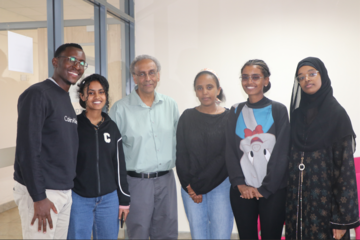
Guided by these underlying principles, a pilot initiative was launched in Spring 2025 at United States International University-Africa. The TI-Analytics Program was a four-week intensive undergraduate research experience that engaged twenty-one undergraduate students from USIU-Africa, including eleven female and ten male participants. The program was supported through a Transforming Institutions (TI) grant from the Alliance for African Partnership.
Four faculty members served as research mentors: Aklilu Zeleke from Michigan State University, alongside Gabriel Okello, Leah Mutanu, and Verrah Otiende from USIU-Africa. Prior to the launch of the program, the faculty mentors held regular planning meetings to design the day-to-day activities, establish student selection criteria, and identify appropriate research topics.
The twenty-one participants were selected based on their academic performance, demonstrated work ethic as reflected by faculty recommendations, and their interest in using research to address pressing challenges facing Africa. For many of the students, this was their first experience working on open-ended research projects in which the outcomes were unknown. To encourage independence and innovation, the faculty mentors intentionally provided minimal direction, allowing students to explore ideas creatively and shape the direction of their research.
All research groups conducted literature reviews relevant to their projects. Some teams modified existing mathematical models to create authentic research experiences, such as the dynamical systems group. Others applied existing models using different algorithms and analytical tools to compare their findings with established results, including the recommender systems and sepsis research groups. Another team worked with a unique institutional dataset to develop recommendations for assessing student performance through the Learning Management System (LMS). Undergraduate researchers participated in applied projects that required advanced mathematical, statistical, and computational techniques. Four research groups were formed, each guided by a faculty mentor. The projects focused on modeling the life cycle of red blood cells using dynamical systems, analyzing recommender systems for the aviation industry that generate booking options for airline passengers, applying analytical methods for the early prediction of pediatric sepsis-related mortality, and investigating student academic performance using data from the Blackboard Learning Management System (LMS).
The groups worked intensively from 9:00 a.m. to 5:00 p.m. each day for four weeks, with a half-hour mid-morning break and a one-hour lunch period. At the conclusion of the program, each group delivered a research presentation to invited guests from USIU and Mt. Kenya University, including college deans, faculty members, graduate students, and fellow undergraduate students.
Student engagement extended beyond the formal program period. For example, the group studying red blood cell life cycle modeling continued refining its work by incorporating advanced concepts from dynamical systems, including Lorenz attractors. The group later presented its enhanced findings at the 4th International Mathematics and Statistics Student Research Symposium.
Overall, student researchers expressed strong enthusiasm for participating in the pilot TI Analytics initiative and emphasized the value of integrating research experiences into undergraduate education. Faculty mentors further advanced the initiative by securing an AAP grant to support a yearlong program that will embed similar research experiences into existing mathematics and statistics courses at USIU during the 2026–2027 academic year.
Finally, we would like to highlight some of the program’s most significant impacts on individual student participants. One of the direct outcomes of the TI Analytics program was the development of strong mentoring relationships between faculty mentors and student researchers. These relationships extended beyond the program itself, with faculty mentors helping students identify and pursue additional research, internship, and educational opportunities both within Africa and internationally. For example, Dr. Aklilu Zeleke has continued to support participating students by providing mentorship and writing recommendation letters for academic programs and professional opportunities.
Several student success stories illustrate the long-term impact of the initiative. Hermela Gizaw, a member of the sepsis research group, secured an internship opportunity in Switzerland. Snit Teshome, from the LMS research group, received the Generation Google Scholarship, and Haymanot Alemayoh was admitted to the Development Engineering graduate program at the University of California, Berkeley. Woldesenbet Aregay from the modeling red blood cells group writes “My participation in the TI Analytics and the IMSS international conference enhanced my presentation, teamwork and research skills. These experiences helped me build confidence in communicating ideas and collaborating effectively within a team”. Woldesenbet secured an internship at iCog, Labs, an AI and Machine Learning research organization in Ethiopia. Bethlehem Getachew mentioned that the TI Analytics training enhanced her skills in applying data analytics to healthcare challenges, particularly through the pediatric sepsis project. She feels prepared to apply what she learned to projects in data science and cyber security analytics.
Particularly remarkable is that all these students are survivors of the recent civil conflict in their home country Ethiopia. Their achievements reflect resilience, determination, intellectual strength, and a commitment to overcoming adversity while contributing meaningfully to society.
While these students have benefited from support provided through the Mastercard Foundation at USIU-Africa to excel in academic accomplishments, they have also returned to their communities and engaged in service initiatives aimed at empowering young women to pursue STEM education. By sharing their experiences with younger students, they have emphasized the importance of confidence, independence, perseverance, and resilience, qualities they further strengthened through their participation in the TI Analytics program. Their stories demonstrate how research experiences can foster not only academic and professional growth but also leadership, mentorship, and broader community impact.
In conclusion, undergraduate research in mathematics is a transformative educational experience that significantly strengthens students’ intellectual and personal development. It cultivates critical thinking, creativity, resilience, communication skills, independence, and intellectual curiosity. Through research experiences, students move beyond passive learning to become active contributors to the creation and application of knowledge. They develop confidence in their abilities, learn to navigate challenges with persistence, and build habits of inquiry that support lifelong learning.
More importantly, undergraduate mathematical research prepares students not only for academic and professional success but also for meaningful engagement in society. By investing in undergraduate research opportunities, educational institutions create pathways for students to become innovative problem-solvers, thoughtful leaders, and intellectually empowered individuals equipped to address complex challenges and contribute positively to their communities and the broader world.
By:
Yasmine Ben Slimane
Wednesday, Jun 3, 2026
YOUTH EMPOWERMENT
+1
Leave a comment
African Futures Scholar Alfdaniels Mabingo
“I can't wait to go back and be kind of a new scholar, new researcher, new academic leader, and new responsible citizen of this world.” ✨Meet Dr. Alfdaniels Mabingo, Lecturer of Performing Arts and Film at Makerere University in Uganda. His research for this fellowship explores dance education, pedagogy, and leadership particularly focusing on empowering youth through the arts in Uganda. He describes the program as a transformative experience in his early research career, calling it a true rite of passage that marked a significant milestone in his academic and professional growth.Through collaboration, mentorship, and knowledge exchange, the program has supported Dr. Alfdaniels Mabingo in further developing his leadership capacity and expanding his research experience. It has offered him a valuable space to continue refining his scholarly voice while building meaningful connections across disciplines and borders. 🌍
By:
Baboki Gaolaolwe-Major
Tuesday, Mar 24, 2026
CULTURE AND SOCIETY
+1
Leave a comment
Advancing Equitable Global Partnerships in Nutrition and HIV Research
Summary of the Award
The Alliance for African Partnership (AAP) award was a catalytic institutional investment that transformed the trajectory of my global health research program. Nested within the International AIDS Society–funded CIPHER study, the AAP award (RN100284; $100,000) supported a focused investigation of micronutrient deficiency—specifically vitamin D and long-chain polyunsaturated fatty acids (PUFAs)—as modifiable determinants of functional outcomes among school-aged Ugandan children with and without perinatal HIV exposure or infection. This strategic expansion sharpened our hypotheses, deepened cross-continental partnerships, and laid the empirical foundation for a sustained, externally funded program spanning child development and aging with chronic HIV.
Advancing Global Health and Nutrition Science
The award enabled systematic measurement of nutritional biomarkers in the full cohort rather than a limited subsample. This strengthened statistical power and allowed us to determine whether micronutrient deficits compounded baseline impairments and influenced trajectories of cognitive, socioemotional, and quality-of-life outcomes over 12 months. Importantly, AAP funds supported comprehensive assessment of physiologic stress and detailed abstraction of antiretroviral therapy exposure histories—critical for disentangling nutritional, immunologic, and psychosocial influences on child development in HIV-affected settings.
Our findings demonstrated that variation in vitamin D status and fatty acid profiles were biologically meaningful contributors to growth, executive function, and socioemotional adjustment. Nutrition emerged not as a background covariate but as a mechanistic driver of morbidity risk. In sub-Saharan Africa—where perinatal HIV exposure remains common and nutritional vulnerability persists—identifying modifiable micronutrient pathways has direct implications for scalable intervention strategies that complement antiretroviral therapy.
The scientific impact extended beyond childhood. Signals observed in the AAP-supported analyses informed refined hypotheses regarding the vitamin D metabolome as a determinant of cognitive development and decline across the life course. This work directly supported successful NIH funding, including an R21 in adolescents (R21HD088169), extended longitudinal follow-up in children (R01NS122510), and a recent R01 in older adults (R01AG087191) with and without chronic HIV infection. Across these awards and supplements, more than $8.0 million in extramural support has been secured, all building on the mechanistic insights strengthened by the AAP investment. Together, these projects examine nutrition, immune dysregulation, microbiome variation, and neurocognitive outcomes within a unified framework of functional survival.
Partnership and Collaboration Dynamics
The AAP award was intentionally structured to deepen equitable partnership between Michigan State University and the Uganda Society for Health Scientists (USHS). By co-leading the nutrition-focused expansion with Ugandan collaborators, including Dr. Sarah Zalwango and Dr. Philippa Musoke, we ensured that research questions were locally relevant, operationally feasible, and mutually beneficial. The award supported dedicated in-country research personnel and reinforced long-standing cohort infrastructure, strengthening data quality and local capacity.
This infrastructure proved especially critical during the turbulent global research policy environment of 2025. Because of the systems and trust built through AAP-supported collaboration, our team was positioned to absorb external shocks while maintaining continuity of data collection and scientific productivity. The partnership model fostered bidirectional learning and reinforced a sustainable framework for global research engagement.
Within MSU, the award deepened collaboration across Nutrition, Epidemiology, Psychiatry, Neuropsychology, and Biostatistics. Engagement with colleagues such as Dr. Jenifer Fenton and multidisciplinary collaborators created synergy that directly contributed to subsequent NIH R21 and R01 successes. The integration of nutritional epidemiology with neuropsychology, immunology, and global mental health allowed us to move beyond siloed inquiry toward a biopsychosocial model of risk and resilience. Support for student training was another critical dimension of impact. AAP-supported data generated dissertation research for two PhD students focused on fatty acids, vitamin D, and neurodevelopment, and supported a postdoctoral fellow whose ongoing work extends our African partnership into microbiome and metabolomic investigation. These investments align with MSU’s land-grant mission and AAP’s commitment to sustainable, capacity-enhancing collaboration.
Follow-Up Work and Field Advancement
The momentum generated by the AAP award continues to shape our research trajectory. In children, the R01NS122510 study is developing and validating a composite risk index to identify adolescents at high risk for neurocognitive impairment, integrating nutritional, immunologic, and virologic predictors. In older adults, the R01AG087191 project examines vitamin D bioavailability, gut microbiota composition, and dementia risk among individuals aging with chronic HIV infection. Together, these studies represent a life-course continuum directly traceable to the original AAP-supported mechanistic inquiry.
We are also translating these findings into intervention strategies. For children, we are designing biopsychosocial supportive care models that incorporate nutritional optimization alongside psychosocial stress mitigation. For adults, we are investigating modifiable determinants of premature cognitive aging—including micronutrient status and gut dysbiosis—with the goal of preventive intervention. Emerging data on variation in the vitamin D metabolome position our team to address critical gaps in understanding how vitamin D functions within mechanistic nutrition trials, further strengthening our competitive edge.
In sum, the AAP award was more than seed funding; it was a strategic inflection point for my research program. It strengthened transcontinental collaboration, refined mechanistic hypotheses, expanded training pipelines, and positioned our team for sustained NIH funding success. By providing early support that led to our appreciation of consequential variations in vitamin D metabolome, this project has positioned us to continue advancing health globally and domestically with the United States. Specifically, clinical guidelines (Endocrine Society Clinical Practice guidelines and the United States Health and Preventive Task force) on vitamin D has recently been updated and the excitingly, these updates and emphasized knowledge gaps directly align with the innovative insight on vitamin D metabolome we observed as part of the AAP supported projects. There is no doubt that the scientific, collaborative, and translational ripple effects of this investment continue to shape our contribution to global health and nutrition science as we increasingly move towards interventions informed by them.
By:
Baboki Gaolaolwe-Major
Tuesday, Mar 17, 2026
HEALTH AND NUTRITION
+1
Leave a comment
From Research to Impact: Strengthening Adolescent Nutrition in Malawi
In alignment with AAP’s promotion of and support for global health and nutrition through collaborations, Aaron Chikakuda is a 2025 awardee of the Dissertation Research Support Fund to facilitate data collection for his dissertation research in Malawi. Aaron is completing a PhD in human nutrition in the Department of Food Science and Human Nutrition under the guidance of Dr. Lorraine Weatherspoon at Michigan State University (MSU).
His research is titled “Efficacy of Weekly Iron and Folic Acid (WIFA) Supplementation Among Adolescent Girls (15– 19 years) in Malawi”.
Given the disproportionately high rates of nutritional anemias in adolescent girls (35%) in conjunction with high teenage pregnancies in Malawi (average 30% in girls 15-19 years of age), a weekly iron and folic acid supplementation program in female adolescents was initiated. The major aim of the weekly iron and folic acid supplement program (WIFA) is to address adherence and poor outcome challenges of the WHO main stay program of daily iron and folic acid supplementation in pregnant women. Most women start receiving prenatal supplements later than the recommended time of pre-conception or very early in pregnancy to maximize benefits of folic acid supplements in particular to curb adverse nutritional and pregnancy outcomes. Because the efficacy of the WIFA program is not known in Malawi, funds from the AAP Dissertation Research Support Fund Award, are assisting Aaron in investigating whether adolescent females receiving weekly iron and folic acid supplements have improved health and nutrition outcomes compared to a control sample. Data collection includes sociodemographic and nutrition intake information in addition to hematological parameters: hemoglobin, serum folate and red blood cell folate; anthropometric indices: body mass index (BMI) and mid upper arm circumference (MUAC), as well as pregnancy outcomes in a subgroup such as weight gain in pregnancy, gestational age, birth weight and birth defects (neural tube defects).
This is a three-phase study. Phase I of the study encompasses a pre-post research design with intervention and control groups (total n=750). Female adolescents that are receiving iron and folic acid supplements comprise the intervention arm of the study and female adolescents not receiving iron and folic acid supplements are the control group. The study focuses on two districts in central Malawi (Lilongwe and Dedza) and two districts in southern Malawi (Blantyre and Mwanza) based on high prevalence of teenage pregnancies in the areas. Data collection includes baseline followed by endline after 6 months to evaluate the efficacy of the program. The second phase of the study is a qualitative assessment using in-depth interviews and focus group discussions to document experiences of adolescent females taking part in the weekly iron and folic acid supplementation program as well as key informant interviews to document experiences, challenges and insights of officers from relevant governmental (Ministry of Education and Ministry of Health) and non-profit (UNICEF, World Food Program and Evidence Action) organizations involved in the program. In the third phase a subsample of pregnant adolescents will be followed up until delivery. Upon delivery of the baby, assessments on pregnancy outcomes will be conducted and documented. Laboratory staff and graduate students at Lilongwe University of Agriculture and Natural Resources as well as teachers and school nurses in Malawi are providing valuable in country data collection and study monitoring assistance. The study results will be published in scientific journals and disseminated through conference presentations and policy briefings for the ministry of health and ministry of education in Malawi and other relevant stakeholders.
After completing PhD training at Michigan State University, Aaron intends to build on this work, by continuing to generate evidence and provide policy direction on health and nutrition in women and children. He intends to continue nurturing collaborations with The Ministry of Education Science and Technology Department of School Health and Nutrition, Ministry of Health Department of Nutrition, non-profit organizations, Lilongwe University of Agriculture and Natural Resources, Michigan State University and other international partners. Aaron also plans to help build capacity in health and nutrition through training of graduate level nutrition experts by equipping them with skills in evidence-based practice, implementation of community sensitive nutrition and development projects, advanced research, and inform public health policies in Malawi. He greatly appreciates the AAP Dissertation Research Support Fund Award, which was critical for covering research expenses for PhD degree completion following termination of his USAID support mid-program. It has also opened numerous opportunities for further collaboration and career growth.
By:
Baboki Gaolaolwe-Major
Thursday, Mar 5, 2026
HEALTH AND NUTRITION
+1

Leave a comment
African Futures Scholar Asha Nalunga
“The program goes beyond giving space for research, it provides mentorship on how to become a leader in your industry.” 🌟Meet Dr. Asha Nalunga, Lecturer at Makerere University, Uganda, Department of Agribusiness and Natural Resource Economics, specializing in employment in horticultural value chains.She reflects on her journey: “AAP provides a space where you can actually focus on your research, think critically, and achieve the goals you want to achieve.” ✨The program helped Asha develop new skills, gain guidance from experienced professionals, and expand her perspective in her field.
By:
Baboki Gaolaolwe-Major
Wednesday, Feb 25, 2026
EDUCATION
Leave a comment
African Futures Scholar Betina Lukwambe
“I came as a researcher, I am leaving as a global voice.” Meet Dr. Betina Lukwambe, Senior Lecturer at the University of Dar es Salaam (UDSM), Department of Aquaculture Technology, Tanzania.Through the program, she strengthened her communication and leadership skills, preparing her to make an impact beyond her research. ✨She expresses her thanks: “Asante sana (Thank you very much) to Michigan State University for this experience!”
By:
Baboki Gaolaolwe-Major
Thursday, Feb 19, 2026
EDUCATION
Leave a comment
Alliance for African Partnership (AAP) welcomes the largest cohort yet of African Futures Research L
Fourteen scholars from across the AAP consortium are embarking on a year-long program focused on artificial intelligence and sustainable futures
East Lansing, Michigan — Alliance for African Partnership (AAP), a consortium of ten leading African universities, Michigan State University (MSU), and a network of African research institutes, is pleased to announce the sixth cohort of the African Futures Research Leadership Program, a competitive visiting scholar initiative supporting early career researchers from AAP member institutions. This year’s cohort — the largest in the program’s history — will explore the theme Artificial Intelligence in Africa: Transdisciplinary Innovations for Sustainable Futures.
Each scholar is paired with mentors from their home institutions and MSU for one year of impactful research, professional development, including curriculum innovation, scholarly and policy writing, grant proposal development, as well as conference attendance. Scholars will engage both virtually and in person with mentors and colleagues across disciplines to co-create research that advances sustainable futures across the continent.
“This sixth cohort marks a significant turning point for the African Futures Research Leadership Program,” said Jose Jackson-Malete, co-director of the Alliance for African Partnership. “Welcoming our largest and most interdisciplinary group of scholars to date highlights both the rising demand for collaborative research leadership opportunities and the strength of our partnerships across African institutions. The focus on artificial intelligence and sustainable futures also signals how the program continues to evolve to address emerging global and continental priorities while empowering scholars to lead transformative research in their fields.”
This year’s scholars are:
Patrick Wafula Wamalwa– Agricultural Engineering, Egerton University
Evalyn Wanjiru Mwihia– Veterinary Pathology, Microbiology and Parasitology, Egerton University
Florence Ndibuuza– Higher Education, Makerere University
Evah Maina– Pharmacy and Health Sciences, United States International University – Africa
Keiphe Nani Setlhatlhanyo– Industrial Design and Technology, University of Botswana
Bakadzi Moeti– Educational Foundations, Faculty of Education, University of Botswana
Thabang Madigoe– Business Management, University of Pretoria
Sean Kruger– Economic and Management Sciences, University of Pretoria
Sphiwe Skhosana– Natural and Agricultural Sciences, University of Pretoria
Daurice Nyirongo– Open, Distance and eLearning (ODeL), Lilongwe University of Agriculture and Natural Resources
Elhadji Bassirou Toure– Mathematics and Computer Science, Université Cheikh Anta Diop
Nedson Theonest Kashaija– Water Resources Engineering, University of Dar es Salaam
Fochi Amabilis Nwodo– Property Law, University of Nigeria, Nsukka
Salimatou Traoré– English, Université Yambo Ouologuem of Bamako
The program will begin in February 2026 with virtual collaboration, followed by an in-person residency for nine of the scholars at MSU from August through December 2026, and continued virtual engagement into early 2027. Due to new visa restrictions, five scholars will participate virtually during the entire program. Scholars will receive a small grant for research, teaching, and professional development, including conference participation and publication support, as well as a stipend during their MSU residency along with visa and travel support.
AAP aims for this cohort to generate innovative research aligned with AI’s potential to contribute to sustainable development in Africa — from health and education to environment, culture, governance, and entrepreneurship — and to lay the groundwork for long-term academic partnerships and future funding opportunities.
For more information, visit the Alliance for African Partnership website.
This project is made possible with the philanthropic support of Carnegie Corporation of New York
By:
Justin Rabineau
Wednesday, Feb 18, 2026
AGRI-FOOD SYSTEMS
+6
Leave a comment
AAP Global Engagement Fund Support Arts-Based Youth Research and Engagement
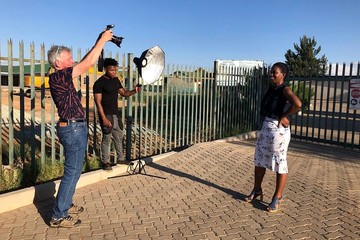
When photographer and educator Prof. Peter Glendinning of Michigan State University returned to South Africa this September, his goal went far beyond presenting artwork. Supported by the Alliance for African Partnership (AAP) Global Engagement Fund (GEF), Glendinning traveled to Johannesburg and Cape Town to advance a collaborative, arts-driven research initiative that is reshaping how youth experiences are documented and understood across Africa. For years, Glendinning has been developing Attached to the Soil, a project that pairs portrait photography with metaphor and narrative to explore young people’s aspirations, challenges, and identities. What began as a 2019 Fulbright project in South Africa has evolved—through sustained partnership—into a model for how the arts can generate meaningful social insight. This work aligns directly with AAP’s culture & society priority area, which supports projects that use cultural expression to address complex societal issues.
Strengthening a Continental Research Partnership
During his visit, Glendinning met with partners at University of Pretoria, one of AAP’s 12 member institutions, including Prof. Zitha Mokomane, a professor in the Department of Sociology and Deputy Dean for Teaching and Learning in the Faculty of Humanities, who has been conducting sociological analysis of the project’s original youth-created images and stories. The findings point to recurring themes: belonging, hope, fear, opportunity, and the persistence of socio-economic barriers.
With support from the Global Engagement Fund, the partners spent their time together outlining the next phase of the work—a potential 2027 pan-African expansion that could engage youth from multiple institutions and countries. The goal is to create one of the most comprehensive collections of narrative and visual data on African youth aspirations to date.
“The dataset we envision would allow us to compare experiences across countries, contexts, and cultures, using the arts as a bridge,” Glendinning explained. The in-person meetings made possible by the GEF award were essential for refining the research design, establishing a shared methodological framework, and preparing for future proposal development.
Cultural Institutions as Crucial Partners
Glendinning’s work emphasizes not only the creation of new cultural materials but also the preservation of Africa’s photographic heritage. While in Johannesburg, he met with leaders at the Bensusan Museum of Photography to advance efforts to secure funding for preserving its internationally significant collection of historic photographic equipment and images. He also held discussions at the Nelson Mandela Foundation, which held an 8-month exhibit of the project in 2023, exploring how youth-generated narratives from Attached to the Soil could contribute to public memory and civic learning through the foundation’s ongoing partnership. These engagements expand the project’s reach beyond academia and into community and heritage spaces—an approach deeply aligned with AAP’s focus on research for broader impact.
Festival Participation Amplifies Youth Perspectives
Glendinning’s work also reached public audiences during the inaugural Cape Town Photography Festival, where Attached to the Soil opened as an exhibition at the Simon’s Town Museum. The festival setting provided a platform for deeper conversation around the project’s themes. During a public dialogue, Glendinning and Malissa Louw, one of the original participants, spoke about the creative process and the realities behind the images—drawing attention to the power of youth storytelling as a form of social documentation.
He also led two workshops: a digital photography master-class for community members and a session for 40 students at the Cape Peninsula University of Technology. Both emphasized photography as a tool for reflection, empowerment, and evidence-gathering—illustrating how artistic training can support community insight and youth leadership.
A Model for Arts-Driven, Partnership-Based Research
Following the festival, Glendinning continued planning with Prof. Mokomane during her September visit to Michigan State University, which was also supported by the GEF. Together, they are refining the concept for the multi-country expansion and identifying ways for AAP partners to contribute to the next phase.
For AAP, Glendinning’s and project and his partnership with Mokomane exemplify the role arts and culture can play in addressing societal challenges: by elevating local narratives, strengthening community connections, and deepening understanding across diverse contexts. The Global Engagement Fund is central to this impact—making it possible for faculty like Glendinning to build the relationships and shared vision that long-term, equitable partnerships require.
As plans move forward, Attached to the Soil will offer youth across the continent the chance to tell their stories—and help researchers, educators, and communities better understand the world through their eyes.
By:
Baboki Gaolaolwe-Major
Monday, Dec 15, 2025
CULTURE AND SOCIETY
+2
Leave a comment
Leveraging Demand Driven Research for Evidence Based Policymaking and Program Development
Recorded on June 2nd, 2023
By:
Justin Rabineau
Monday, Jan 27, 2025
CULTURE AND SOCIETY
Leave a comment
Advancing African Entrepreneurship Through Research and Mentorship- Anastasia Mamanbulo
Anastasia Mamabolo, Associate Professor at the Gordon Institute of Business Science (GIBS) and at the University of Pretoria, is a visionary leader in entrepreneurship. Her work is shaping how entrepreneurship is taught and highlighting the critical role of research and mentorship in driving economic growth across Africa.
Anastasia's research identifies the essential skills entrepreneurs need at different stages of their ventures. “My research looks at the skills entrepreneurs require when they start their businesses and how these skills evolve as the businesses grow,” she shared. Her work has resulted in a comprehensive framework that training institutions can use to measure and develop entrepreneurial skills, ensuring tailored support for aspiring business owners.
One of her proudest achievements is the publication of a paper on the role of religion in entrepreneurship, which was recognized as the Best Paper for 2022 by the Journal of World Business. “This recognition is a testament to the relevance of understanding not just the economic but also the cultural and spiritual dimensions of entrepreneurship in Africa,” she said.
In addition to her research, Anastasia was recently appointed the APSA Chair of Entrepreneurship at GIBS, a role that will enable her to lead several initiatives, including a school incubation program for entrepreneurial training and the development of an African Entrepreneurship Index. “This index will measure the competencies of entrepreneurs across Africa, helping us build a credible database that researchers and practitioners can use to improve entrepreneurial development,” she explained.
AAP’s Role in Her Journey
Anastasia’s journey as a researcher has been significantly shaped by the Alliance for African Partnership (AAP). Introduced to AAP by her former dean, Professor Nicola Klein, Anastasia participated in the African Futures Research Leadership Program, which provided her with the opportunity to focus on her research, gain mentorship, and collaborate with international scholars.
“The mentorship I received through AAP was invaluable,” Anastasia emphasized. Under the guidance of Professor Jerry McNamara, a leading strategy scholar, she learned how to conduct high-quality research that resonates with both African and global audiences. “AAP helped me build my confidence as a scholar, gave me an academic voice, and equipped me to bridge the gap between research and practice,” she added.
The Future: Strengthening African Entrepreneurship
Looking to the future, Anastasia envisions becoming a thought leader in African entrepreneurship research. “We don’t have enough research on the incredible entrepreneurial activities happening across the continent,” she said. “My goal is to strengthen the voice of African researchers in this field and foster collaborations that will advance entrepreneurship.”
She also plans to focus on bridging the gap between academia and practice by supporting students in their research efforts, developing actionable insights for entrepreneurs, and continuing her work through the APSA Chair to promote financial inclusion and access to resources for African entrepreneurs.
Advice for Early Career Researchers
Reflecting on her journey, Anastasia emphasized the importance of mentorship and the integration of research into academic work. “Mentorship is crucial for early-career researchers. I was fortunate to have a mentor who guided me through academia, helping me position myself as a research-focused academic,” she noted.
Her advice to young scholars? “Don't neglect your research. Incorporate it into your teaching, and don’t be afraid to seek mentorship—even from those outside your field. It’s through collaboration and consistent research efforts that you’ll grow and make meaningful contributions.”
Anastasia’s work exemplifies the impact of research, mentorship, and dedication to advancing entrepreneurship in Africa. With her leadership, the future of African entrepreneurship looks promising and filled with potential for growth and innovation.
By:
Baboki Gaolaolwe-Major
Tuesday, Nov 12, 2024
EDUCATION
Leave a comment
Empowering Change through Research – An Interview with Dr. Binta Kuita
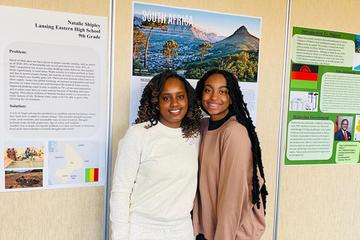
At the forefront of academic leadership and research in Mali, Dr. Binta Kuita, an Associate Professor of Applied Linguistics at the University of Letters and Humanities of Bamako, has made significant strides in inclusion, diversity, and disability advocacy. As an African Future Fellow for the Alliance for the African Partnership (AAP) from 2021-2022, Dr. Kuita’s journey reflects resilience, empowerment, and commitment to driving change in her community and beyond.
Dr. Kuita’s research has evolved from her PhD work in Applied Linguistics, which focused on the cultural impacts of learning English as a foreign language, to a broader spectrum of social issues. Today, her work encompasses language education, diversity, and inclusion, particularly advocating for the rights of people with disabilities in Mali. This transformative shift in her research aligns with her appointment as Associate Professor at the University of Letters and Humanities of Bamako and her continuous collaboration with leading academic mentors.
“I've recently focused on diversifying my research, especially towards inclusion and equity for women and people with disabilities,” Dr. Kuita shared, highlighting her pivotal research project on the inclusion of people with disabilities, carried out under the mentorship of Professors Pony Tsang from Michigan State University (MSU) and Idrissa Soeba Traore from her home institution in Mali.
The Role of AAP in Career Growth
As an African Future Fellow, Dr. Kuita credits AAP with providing the platform and support to accelerate her academic career. “AAP has uplifted me not just as a researcher, but as a leader,” she explained. The fellowship provided her with the resources and mentorship to overcome societal and cultural barriers, enabling her to concentrate on her research and career growth.
Workshops and networking opportunities through AAP and MSU have been particularly influential in building her academic and leadership capacities. “These workshops, often led by women in academia, were inspiring because their stories were very similar to mine,” she said. The collaborative bonds formed through these experiences continue to bolster her professional development, aiding in manuscript production, grant writing, and conference participation.
Her Vision for the Future
Dr. Kuita’s vision for the future is filled with promise, not only for herself but for those she impacts through her work. “I want to continue to open doors for young researchers,” she expressed, underlining her commitment to mentoring junior academics. One of her current initiatives is the establishment of a disability and inclusive unit at her university, aimed at creating a supportive environment for students with disabilities. This project is innovative in Mali, and Dr. Kuita hopes it will be replicated across other institutions in the country.
In addition to her academic goals, she is also committed to nurturing the next generation of scholars through mentorship programs that foster collaboration between African researchers and international academic communities, particularly through her strong ties with AAP and MSU.
Words of Advice
For young researchers, Dr. Kuita has one clear message: “Believe in your dreams and hold on to your goals.” She encourages aspiring academics to build robust, collaborative networks and take advantage of opportunities like the AAP African Future program, which she describes as “life changing.”
Dr. Kuita’s journey is a testament to the power of resilience, mentorship, and the transformative potential of research. As she continues to pave the way for others, her work stands as a beacon of hope for women, people with disabilities, and young researchers striving to make a difference.
By:
Baboki Gaolaolwe-Major
Tuesday, Nov 12, 2024
EDUCATION

Leave a comment
African Futures Research Leadership Retreat
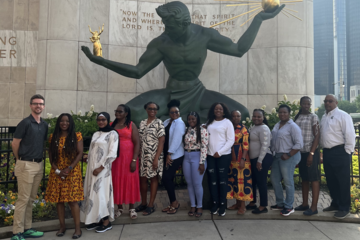
The fourth cohort of African Futures scholars recently travelled to Detroit, MI for their leadership retreat. The scholars are early-career women researchers from AAP member institutions who take part in a one-year program at Michigan State University (MSU) to strengthen and build the skills necessary to become research leaders in their fields. The program culminates in a leadership retreat to prepare scholars to incorporate what they have learned at MSU and apply it at their home institutions and as an opportunity to experience a new side of Michigan outside of East Lansing. Held June 18-21, the retreat allowed scholars to step away from campus and their research and create space to think about what it means to be a research leader. Over a two-day workshop, senior MSU faculty facilitators explored a variety of topics around identifying the qualities of a research leader and taking your academic career to the next level. There was also fun to be had as scholars took the opportunity to experience some of the culture and vibrance of the Motor City.
Co-facilitated by Drs. Nwando Achebe, Associate Dean for Diversity, Equity, and Inclusion, Faculty Development, and Strategic Implementation, Dr. Teresa Mastin, Vice Provost and Associate Vice President for Faculty and Academic Staff Affairs, and Dr. Kwesi Brookins, Vice Provost for University Outreach and Engagement, the African Futures leadership workshop conversations focused on analyzing different personality types and communication styles, academic publishing, having difficult conversations and conflict resolution, developing research plans and preparing for promotion, and leading research teams. These in-depth and interactive sessions allowed scholars to reflect on their journeys thus far while planning for their return to their home institutions to take the next step in their path to leadership.
In addition to the work in the classroom, scholars had the chance to learn more about Detroit and its history. Scholars visited the Detroit Institute of Arts, the Belle Isle Nature Center, Aretha’s Jazz Café, and various local restaurants across the city to get a taste of the breadth of what Detroit has to offer.
The current cohort of African Futures scholars will conclude their time at MSU with a virtual research showcase on July 24 at 8:00 am Eastern to share their work from the past year. You can register to attend the showcase here: https://msu.zoom.us/webinar/register/WN_eQTW_l4TSRyPmev_IovGsw
By:
Baboki Gaolaolwe-Major
Friday, Jul 5, 2024
EDUCATION

Leave a comment