

Browse
Culture And Society
ERG Research Grant Programme in LICs
Grant Size: $10,000 to $100,000
The Private Enterprise Development in Low-Income Countries (PEDL) is pleased to announce applications for the Research Grant Programme that aims to better understand what determines the strength of market forces driving efficiency in low-income countries (LICs).
Existing research suggests that the private sector in LICs faces a multitude of constraints that act upon each other. What is needed is research that allows them to understand how these constraints interact.
ERGs are grants of between £10,000 and £40,000. These grants will fund research assistance, data collection and new surveys in LICs, and (if necessary) teaching buyouts for the principal investigator. Please note that cost effectiveness and value for money are important evaluation criteria.
Eligibility Criteria
ERGs are designed to allow researchers to:
Explore new approaches to the study of firms in LICs; and
To develop new (or build on) existing sources of data on firms in LICs.
https://pedl.cepr.org/content/38th-regular-erg-call-open-deadline-19th-august-2024
By:
Tony Milanzi
Friday, Aug 16, 2024
CULTURE AND SOCIETY
No Preview Available
Leave a comment
CFAs: FRIAS Early Career Fellowships Programme
Grant Size: Fellowship
The Freiburg Institute for Advanced Studies (FRIAS) is inviting applications for its Early Career Fellowships Programme to support academic exchange across existing boundaries between disciplines, between different cultures and countries, between established and younger researchers.
https://www.frias.uni-freiburg.de/en/news/call-for-applications/frias-early-career-fellowship-programme
By:
Tony Milanzi
Friday, Aug 16, 2024
CULTURE AND SOCIETY
+1
No Preview Available
Leave a comment
FRIAS Sustainable Governance Senior Fellowships for Researchers
Grant Size: Fellowship
Donor: Freiburg Institute for Advanced Studies (FRIAS)
The Freiburg Institute for Advanced Studies (FRIAS) is seeking applications for the Sustainable Governance Senior Fellowships to support innovative research projects through individual and group fellowships.
The Freiburg Institute for Advanced Studies (FRIAS) is the University of Freiburg’s international research college. The Institute supports academic exchange across existing boundaries between disciplines, between different cultures and countries, between established and younger researchers.
FRIAS provides modern office spaces and an up-to-date infrastructure and makes every effort to provide tailor-made solutions with regard to suitable accommodation, child care and educational facilities.
https://www.frias.uni-freiburg.de/en/news/call-for-applications/frias-sustainable-governance-senior-fellowship-from-africa
By:
Tony Milanzi
Friday, Aug 16, 2024
CULTURE AND SOCIETY
+1
No Preview Available
Leave a comment
CFAs: Carnegie African Diaspora Fellowship Program
Grant size: less than $1000
Donor: Institute of International Education (IIE)
The Institute of International Education's Carnegie African Diaspora Fellowship Program (CADFP) is a scholar fellowship program for educational projects at African higher education institutions.
The program is funded by a grant from Carnegie Corporation of New York (CCNY). A total of 705 African Diaspora Fellowships have been awarded for scholars to travel to Africa since the program’s inception in 2013. CADFP exemplifies CCNY’s enduring commitment to higher education in Africa. IIE manages and administers the program, including applications, project requests and fellowships.
https://www.iie.org/programs/carnegie-african-diaspora-fellowship-program/
By:
Tony Milanzi
Friday, Aug 16, 2024
CULTURE AND SOCIETY
+1
No Preview Available
Leave a comment
CFPs: Think Pieces on Gender and Digital Inclusion 2024
Grant Size: $1000-10000
Donor: IT for Change
IT for Change invites applications for think pieces under the project, ‘Re-wiring India’s Digitalising Economy for Women’s Rights and Well-being,’ supported by the European Commission and Frederich Ebert Stiftung.
They seek well-established, mid to senior-career scholars and researchers who identify as women, with a proven track record of publishing on the digital economy and gender.
https://itforchange.net/think-pieces-2024-gender-and-digital-inclusion-call-for-proposals
By:
Tony Milanzi
Friday, Aug 16, 2024
CULTURE AND SOCIETY
No Preview Available
Leave a comment
Africa Regional Democracy Fund – Togo
Grant Size: $100,000 -500,000
Donor: US Mission to Togo
The U.S. Embassy Lome through this Notice of Funding Opportunity, is pleased to announce an open competition for organizations to submit applications to carry out a program to promote inclusive civic engagement and bolster strong and independent democratic institutions.
https://grants.gov/search-results-detail/355708
By:
Tony Milanzi
Friday, Aug 16, 2024
CULTURE AND SOCIETY
No Preview Available
Leave a comment
African Futures Cohort 5 - Call for Scholars
The Alliance for African Partnership (AAP) is seeking applicants for the fifth cohort of the AAP African Futures Research Leadership Program. This competitive visiting scholar program supports early career researchers from the AAP consortium to work for one year under the mentorship of faculty members from MSU and their home institution, focusing on building skills in research for impact, writing scholarly and/or policy publications, disseminating of research results, and developing grant proposals for external support. Scholars will also participate in a structured professional development program while building bridges and lasting connections with MSU contacts and across their cohort.
The main objective of the African Futures program is to strengthen the capacity of a cadre of African researchers to return to their home institutions and become scientific leaders in their community, establish long-term partnerships with MSU faculty, co-create innovative solutions to Africa’s challenges, and in turn become trainers of the next generation of researchers. This program aims to address the gender gap in Africa, where only 30% of researchers are women, so scholars selected for the program will be women, or men who can demonstrate they are committed to support efforts towards gender equity in higher education institutions in Africa. The research areas that the scholars will engage in during the program should be aligned to AAP's research priority areas.
The AAP Management Team requests applications from early career researchers to participate in the next cohort, with work to begin virtually in February 2025. Scholars will spend September – December 2025 at MSU for the in-person portion of the program, followed by another period of virtual collaboration, ending in early 2026. The scholar and mentor team will receive a small grant for research and professional development activities including conference attendance and publication. Scholars will also receive a stipend during their time at MSU, visa application support, and round-trip travel from their home institution.
Potential Research Areas
Selected scholars will work in one of AAP’s seven priority areas:
Agri-food systems
Water, Energy, and Environment
Culture and Society
Youth Empowerment
Education
Health and Nutrition
Science, Technology, and Innovation
Selected scholars will be paired with an MSU mentor and commit to working with the MSU mentor and the home institution mentor for the duration of the program.
Program Benefits
Professional development activities – AAP will offer structured professional development workshops centered on topics such as building equitable partnerships, academic time management, proposal development and budgeting, research communication, etc. to establish professional trajectories, to build research, writing, and publishing skills, and to support scholars to move through various stages of review, promotion, and growth.
Leadership activities – this will center on a research leadership retreat to expose scholars to the key competencies of research leaders, the work that research leaders engage in, personal reflection on their characteristics and career goals to help determine the pathway to advancement to research leadership.
Collaboration networks – the early career researcher will be co-mentored by an MSU faculty member and a faculty member from their home institution. Mentors will have the opportunity to visit their counterpart for one week during the duration of the program. The scholar will also gain access to AAP’s broad network of researchers at MSU, across Africa, and beyond. Proposed activities should ultimately lead to potential long-term collaborations between MSU and the partner institution.
Expected Outcomes
Each scholar and mentors are expected to produce the following outputs, at minimum, by the end of the program:
Submission or evidence of publication of one to three joint manuscripts
At least one grant proposal application
At least one conference presentation
Collaborations with mentors are meant to be long-term and continue after the end of the program. Scholars are encouraged to network with MSU faculty beyond their mentor while at MSU. Scholars are expected to submit regular progress reports to AAP and their home institution focal point. Failure to meet program and mentor expectations can result in early dismissal.
Eligibility
Citizen of an African country
Completion of a PhD degree within the last 10 years
Employed as an Academic Staff member at one of the AAP African consortium universities including Egerton University, Makerere University, University of Dar es Salaam, Lilongwe University of Agriculture and Natural Resources, University of Botswana, University of Nigeria, Nsukka, University Cheikh Anta Diop, University of Arts and Humanities, Bamako, United States International University-Africa, and University of Pretoria
Have documented approval of leave or sabbatical to participate in the program for the in-person period
Have a mentor at their home institution that will serve as a collaborator and mentor
Research must be in one of the AAP priority areas
Applicants may only submit one proposal to AAP in this round of funding. Prior scholars are not eligible to apply.
Application Requirements
Applicants should provide the following documents as part of their application package:
An up-to-date curriculum vitae (CV) that provides a chronological review of their professional accomplishments
A letter of interest that demonstrates how their research interest and experience is aligned to the AAP research priority area and how they plan to implement long-term sustainable partnership (1 pages)
(for male applicants) include how they have supported efforts towards gender equity in higher education institutions in Africa
Names of potential mentors at MSU (applicants should browse relevant MSU department’s website to identify up to three faculty that are aligned with their research interests. Applicants should not contact MSU faculty directly - AAP will reach out on the applicant’s behalf)
Two publications in refereed journals related to their research area
Two professional references that detail the relationship to the applicant and provide specific examples of their assessment of the expertise of the applicant’s research area
A letter from the mentor at their home institution indicating willingness to serve as a collaborator during the program, travel to MSU for one week of collaboration discussions, and mentor the early career researcher when they return to their home institution (1 page)
A written endorsement from the applicants’ Head of Department approving leave (1 page)
A letter of support from the AAP Focal Point for the scholar’s application (1 page)
Selection Criteria:
Professional merit, scientific ability, potential career impact and future collaboration goals with MSU faculty (based on CV, letter of interest, publications, Head of dept and home mentor letters, and two reference letters)
Assurance and availability of resources from the home institution for a designated, funded position for the early career researcher upon completion of their fellowship (expressed in letter from head of Dept at the home institution)
Commitment to return to their home country following completion of training (expressed in a letter of interest)
The selection committee will ensure the best match of outstanding candidates and MSU mentors
Additional selection factors may include diversity in scientific research areas and geographic origin
Applications are due on August 18, 2024
Apply: https://msu.co1.qualtrics.com/jfe/form/SV_a60s40TOPXGO5sq
Additional program dates:
Program start date (virtual): February 2025
In-person program: Sept - Dec 2025
Program end date: February 2026
Questions
Please contact José Jackson-Malete at jacks184@msu.edu or +1 517-884-8587 with any questions.
By:
Justin Rabineau
Wednesday, Jul 10, 2024
AGRI-FOOD SYSTEMS
+6
Leave a comment
Transformative Opportunities with the AAP Professional Fellowship Program (PFP)
Transformative Opportunities with the AAP Professional Fellowship Program (PFP)
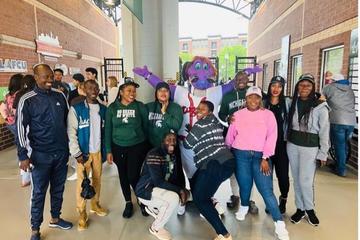
In May-June 2024, AAP hosted 11 African fellows from Rwanda, South Africa, Zambia, and Zimbabwe at Michigan State University (MSU) as part of the US Department of State-funded Professional Fellows Program. The Advancing Young Women Agribusiness Entrepreneurs and Innovators is administered by MSU in partnership with the University of Rwanda, the University of Pretoria (South Africa), the University of Zambia, and Chinhoyi University of Technology (Zimbabwe). The goal of the program is to build Fellows’ capacity and skills in agro-entrepreneurship and agri-food system innovation and advance their ability to support women’s economic empowerment.
One of the standout features of our PFP is the professional affiliations. Throughout the program, fellows are paired with organizations and mentors that align with their projects, fostering long-term partnerships and impactful collaborations. This unique aspect ensures that fellows not only gain valuable insights but also build enduring professional networks. For example, Vimbai Kaitano, a Zimbabwean farmer and owner of Carol’s Seedlings and Vegetables, was hosted by Bridget Kavanaugh of Happy Goat Lucky Ewe Fiber Farm. While their farms focus on very different commodities, the two farmers and business owners, shared lessons on farm management, value addition, and marketing their small businesses. Robert Rwigema from Rwanda and Precious Nemutenzi from Zimbabwe were hosted by Peter Lemmer and Elana Fata from Greenstone Farm Credit Services. Greenstone arranged a robust experience that allowed these two agribusiness professionals to learn in detail about its farm credit financial services and to connect with many of its client farmers.
Our PFP is packed with exciting activities, including dinners, delicious food, and networking opportunities. Fellows have the chance to connect, with host families and organizations, and with MSU researchers and students, creating a vibrant and supportive community. These events are perfect for cultural exchange and building lasting relationships. We believe in continuous learning and development. This cohort of fellows was hosted by several local volunteer families for dinners in their homes. They also attended a Broadway musical at MSU’s Wharton Center for the Performing Arts, went to a Lansing Lugnuts baseball game, and had a bowling night with members of MSU’s African Graduate Student Association.
The PFP offers an array of seminars and workshops designed to contribute significantly to our fellows' professional and personal growth. These sessions cover various topics, providing fellows with the skills and knowledge they need to excel. Dr. Wynne Wright, co-director of MSU’s PFP program, delivered workshops on understanding gender dynamics in agri-food systems. Professor Brian Petland from MSU’s Eli Broad College of Business delivered an interactive session on approaches to project management. Raymond Musiima, a PFP alum from 2019 and a current MSU MBA student, provided insights on building and maintaining professional networks. Melissa Staub from MSU’s College of Arts and Letters led a series of workshops on personal development and leadership.
Our program also includes exciting site visits and field trips. These immersive experiences allow fellows to gain practical insights and hands-on learning in various fields. By exploring different environments and contexts, fellows enhance their understanding and apply their skills in real-world settings. Fellows from this cohort visited Detroit where they met up with W.E. DaCruz, Co-Founder of the Mushroom Angel company which uses mushrooms to produce vegan burgers. They also traveled to Super Bloom Hydroponic Farm in Grand Rapids, Michigan where they learned about hydroponic farming. PFP Co-Director, Dr. Wynne Wright hosted the fellows on her lavender farm, Sixteen Sprigs.
As we conclude another successful year of the AAP Professional Fellowship Program, we are excited to announce our plans for an outbound trip to visit fellows in their home countries in early October. This will provide an excellent opportunity to further strengthen our international collaborations and witness firsthand the impactful work our fellows are doing in their communities. Additionally, we eagerly look forward to hosting the next cohort of fellows in 2025, continuing our commitment to empowering young women in agribusiness and fostering transformative opportunities in agro-entrepreneurship and agri-food system innovation.
By:
Baboki Gaolaolwe-Major
Wednesday, Jul 10, 2024
AGRI-FOOD SYSTEMS
+2
Leave a comment
ADVANCED DEGREES COMMENCEMENT CEREMONY - SPEECH BY BOLAJI BALOGUN, CEO, CHAPEL HILL DENHAM
Ladies and gentlemen, distinguished faculty members, proud parents, spouses, friends, family, and most importantly, the 2024 Advanced Degrees graduating class of MSU, Good Afternoon. I am delighted to be here with you today and I am humbled to have this honour and privilege.
Thanks to Dan Kelly, the Chair of the Board and the Trustees; President Kevin M. Guskiewicz; Congratulations and MSU is in thoughtful hands; Interim Provost & Executive Vice President Thomas D. Jeitschko; Senior Vice Presidents; Vice Presidents; Deans, and in particular, Vice Provost Steven D. Hanson, Dean of International Studies and Programs, who I met in Nigeria in September 2022. Thank you for your kind letter at the passing of my father, Michael Olasubomi Balogun, in May 2023. Dean Judith Whipple, Acting Dean, Eli Broad College of Business and Graduate School of Management, who have graciously hosted me during this visit – and other Senior Administrators of this great institution. I must acknowledge Soji Adelaja, John A. Hannah Distinguished Professor in Land Policy and Chairman of the Board, at Chapel Hill Denham.
I commend the Professors and faculty who have dedicated themselves to producing the graduates seated in the hall today. To the parents, spouses, partners, children, family, friends and loved ones of today’s graduates, your support is truly commendable. As a father, I understand the commitment and sacrifice you have made financially and through advice and mentoring. My wife and biggest cheerleader, Kemi and 2 of our children, our daughters Michele & Marianne – are seated somewhere in the stands. Our other children, Michael, Michaela & Matthew, I wish they were here. I must mention my late Mum, Professor Wale Osisanya, Professor of English at the University of Lagos, where she was on the faculty for 35 years and gave everything for my educational foundation and values. She always hoped that after my Economics degree at the London School of Economics, I would do a Masters degree and then go get a Doctorate. Not quite the way you imagined, Mum, but nevertheless, I hope you are proud.
To today’s graduates, I congratulate you heartily and you have worked very hard to earn your degrees from a leading research university with a stellar global reputation, especially in Africa. I commend your collective spirit, dedication, and perseverance, which we are celebrating today.
For many when we think about MSU, we see an institution that epitomises the power of education to change lives. Given its rich tradition as a land grant university, academic excellence, innovative research, vibrant community spirit and commitment to global engagement, MSU is an impressive institution. It is also the US University most engaged with Africa, through the work of the Alliance for African Partnership. I have spent the last couple of days on the sprawling, East Lansing campus interacting with faculty and students here, what has made an impression on me, is the commitment to produce well-rounded individuals who are equipped to make meaningful contributions to society. Your time at MSU has equipped you with more than just knowledge and a Doctorate. It has provided you with a diverse set of perspectives, practical learning, innovation, all of which are invaluable as you embark on your next steps.
You are in that less than 1% of people globally who have a Doctoral degree and you are both lucky and at the same time under pressure to provide the less well read 99% of us, some leadership. And so what right does this Nigerian and African, who did not get a Doctoral degree, have to share these thoughts with you?
Some of you may be wondering “What next?”. Armed with your MSU PhD or Doctoral degree, please allow me to share today no more than 4 pieces of advice or life lessons, a potential pathway that might make the next few years and your actions, decisions, and investments have a real impact. First piece of advice - Work Hard and Enlarge your Influence. Second piece of advice - Work Smart and Live a Life of Significance. Third piece of advice - Spend Time with your Loved Ones and Travel a lot with them, as Travel is the Enemy of Ignorance. Final piece of advice, I want to speak to you about something that I truly believe will be a part of your future but only a few of us have it in our contemplation – We all need an Africa plan.
Work Hard and Enlarge your Influence – You will find that you only have 25-35 years to work hard before you start getting old and tired. Do not waste those years of your prime and use these years to enlarge your influence or your coast by being the very best version of whatever you do. I believe that a few things make us truly influential – Knowledge, Success, Innovation, Entrepreneurship, Relationships and Charity.
Work Smart and Live a Life of Significance – The quickest path to these things, I have just spoken about is to work not just hard but smart and live a life of meaning or purpose or significance. You need not be a wealthy entrepreneur or banker or tech entrepreneur or investor or property owner or farming business owner or politician or creative genius or sports star, to live a life of significance. It is a choice that you make whether in a long career in academia or in medicine or in charitable work or not for profit or in God’s work, or as a spouse, father, sibling, mentor that your life will be impactful in your community, state, country or the world and that when you finally bow out, it is said that you lived a life of significance.
Spend time with your loved ones and travel a lot with them, as travel is the enemy of ignorance. This time is truly priceless, and you cannot make up for it or reinvent it at the end of your career or later in life. Travel together and see the world and not just visit New York, Washington DC, Los Angeles, Dallas, Boston, Nashville, and Atlanta. Latin America and the Caribbean are a short hop away from you. Europe and the UK offer something different history and culture wise, but you have only lived a well-rounded life, when you have travelled to or in Asia, the Middle East, Israel, and Africa, especially Nigeria.
Now, when I speak of Africa, I am not referring to a singular country or big village, where everyone knows everyone as some believe. Rather, I am speaking about 54 countries with diverse cultures, languages, and governments. Let me also clear this up that stepping out of any African airport does not mean having to dodge lions, elephants, and the occasional cheetah. Yes, the wildlife in Africa is unmatched and impressive, but you are more likely to experience a traffic jam and lots of colour, on your daily commute.
As a financier I am going to speak to you about Africa in numbers…
Demography is destiny – Africa is 10% of the world’s population today but when you retire later this century, it will be 1/3rd of the world’s population. That population will not be isolated from you, and already, Africans have migrated across the world and will be integrated with every major economy globally. 1 in 4 babies are African … 1 in 10 babies are Nigerian … today. By 2100, the share of the world’s babies born in sub-Saharan Africa is forecast to reach 55% from 30% in 2021. This transition is inevitable.
401(k) - When you start accumulating your 401(k) you will find that you are immediately invested in Africa, as every major global company s already there. Coca-Cola and Pepsico are available throughout the continent, as are Visa and Mastercard, Microsoft, Amazon, Google, Meta are investing. The largest American REITs American Towers and Equinix (DC’s) are huge in Africa. All the major resource companies are in Africa. By the time you retire, I predict your 401(k) will have African home-grown brands like MTN, Dangote, Access, Flutterwave, behemoths.
AfCFTA - The African freezone is the largest of its kind covering 54 countries and by the 2nd half of this century, a third of the world’s population. Goldman Sachs research estimates AfCFTA will be 50% larger than the EU by 2075 but that analysis excludes Africa’s diaspora or international GDP which, like Mexico, could easily represent 11 to 12x diaspora remittances; that is 40% of total African spending power today.
Infrastructure multiplier – We are taught that infrastructure has a huge multiplier impact on GDP and in creating jobs and opportunities. But the impact of the first or early infrastructure investments in your community … electricity, mobile phones, internet access, roads … is much larger than simply upgrading your 4G coverage to 5G. Basic infrastructure is unleashing a continent and growth rates will reflect that.
Climate - If Africa develops like the US, or the rest of the OECD and G20 has with the same carbon per capita, it will destroy the world’s climate targets. In order to build a low carbon development path, Africa requires capital and know-how along with its abundant renewable resources for the energy transition.
We are taught that risks are balanced, like a bell curve. Positives and negatives. In hindsight, the development of China, India, or Indonesia, over the last 25 years has been inevitable. Population growth, low leverage, low dependency ratios, high growth, cheap valuations has made this an asymmetric bet. Africa is no different today. Africa can feed the world, resource, and power large parts of the world, support the world, entertain the world and, in NBA terms, beat the world! Africa’s narrative about Africa, is becoming more reflective of its truth, and the continent is rapidly emerging a global powerhouse.
Africa has 65% of the world’s arable land and 60% of the world’s uncultivated land, as well as 10% of the world’s internal renewable fresh water. When one considers this alongside the increasing focus on sustainable agricultural practices, Africa can solve the food security challenges within the continent and globally with expertise in biotechnology, agricultural sciences, land policy and supply chain management.
Africa is home to 30% of the world’s mineral reserves but accounts for just 10% of global mining exploration spend, there are significant, unverified additional reserves across the continent. The continent is home to around 65% of EV minerals lithium, cobalt, graphite, manganese etc. Africa's untapped potential for renewable energy sources, is compelling. Africa is home to 60% of the best solar resources globally, yet only 1% of installed solar PV capacity. A small part of the Sahara could power the EU or the world. Africa's wind resource potential is as high as 59,000GW and hydro- power potential is 1,750 GW.
Over 60% of Africa’s population is under the age of 25 and is the driver of growth. The economic rise of China and India were the first great shocks of this century. Africa’s rising youthful tide will most likely drive the next seismic shift. Africa is changing so rapidly it is becoming hard to ignore. The world is becoming more African, said a recent New York Times headline. The world is changing, and we need to reimagine Africa’s place in it.
As you start on this new journey, remember that with every change, there are always opportunities to explore. Be bold, resilient, embrace diversity, show empathy, stand strong, and always strive for a more equitable and prosperous future for all. There might be times you fail, or face challenges that seem insurmountable, but your indomitable Spartan spirit has been nurtured within these halls of learning and I hope that you will find the strength to keep moving and succeed.
Today, you are not just advanced degree graduates of Michigan State University; you are global citizens, poised to make a difference in the world. Congratulations, Class of 2024. The world is yours to shape, and to improve. Never forget that the impossible is the untried, so please go out and make a difference.
Thank you all and God speed.
By:
Baboki Gaolaolwe-Major
Friday, Jul 5, 2024
CULTURE AND SOCIETY
+1
Leave a comment
Hello everyone, I am excited to join this group of great and promising scholars.
By:
AJIBO Chinenye Augustine
Friday, Apr 26, 2024
AGRI-FOOD SYSTEMS
+3

Leave a comment
Navigating the Complexities Building Bridges and Sustainable Impactful Networks in Research
Summary: In a fast world where innovation and impact are critical slogans, researchers are required to build their partnerships and grow networks to advance research that transforms lives beyond academic papers. It is equally critical to know the intricacies of connecting with the right people and teams. This article unpacks some of the in ways around the complexities for researchers aiming to works across such environments. Farai Kapfudzaruwa is a Research and Strategic Partnerships Manager at Future Africa, University of Pretoria.
People often say, “the world is becoming small”, when discussing meeting new friends and forming partnerships. This statement reflects the increased connectivity among people, facilitated by rapid transportation and advanced communication methods. However, does the idea of a shrinking world really make it a simple, smooth, and easy process to build sustainable and impactful networks? While the phrase "the world becomes small" suggests ease of navigation, it also brings to light increasingly intricate and complex environments. The kind of environments that are a compound of diverse cultures, trends, and knowledge systems, call for one to re-learn what they know. Neither research nor academia holds a special entry pass into this realm; they must navigate these intricate environments just like everyone else to advance research and societal knowledge. Only by doing so, we will manage to begin to tackle some of the most complex problems with strong bridges and networks.
As the principal investigator of the Africa-Asia Business Partnership Forum, co-funded by the Alliance for African Partnership (AAP), we navigated a myriad of complexities to drive the project towards success. This project brought together South African, Japanese, and US partners, encompassing academics, young entrepreneurs, and their value chain stakeholders. Farai and his team faced the challenge of managing cultural differences, a task that proved to be intricate. For instance, during the project’s initial virtual workshops, Japanese entrepreneurs, known for their quiet and reserved nature, found it difficult to adapt to the interactive format, in contrast to the vocal and assertive South African entrepreneurs. This innocent disparity is something that is usually overlooked and often not considered to be a thing to account for when conceptualising projects, but it can cause and lead to serious imbalance in sharing ideas and creating a levelled environment where thoughts circulate with ease. In this instance, this disparity led to the Japanese feeling overwhelmed.
To address these issues, the team acknowledged the significance of cultural sensitivities and redesigned the workshops to be more inclusive of Japanese participants. They also encountered diverse work cultures and problem-solving methods among the researchers, adding another layer of complexity to the project’s execution.
The foundational principles of effective networking always revolve around two key tenets. The first principle emphasizes the importance of understanding context. This entails understanding and recognizing that every individual, partner, community, or organization operates within a unique socio-cultural, knowledge system, resource-based, and personality-driven context. The second principle highlights the value of being open-minded and receptive to learning. Therefore, when initiating engagements with new partners, it is crucial to approach with an open mind and actively seek to comprehend their specific context.
Mutual respect amongst partners always ensures that diverse views and cultures are accounted for in a partnership. This entails understanding that each partner brings unique value to a project. Once everyone’s value is accounted for and appreciated it allows for equitable distribution of resources and tasks in the team. Often, Global South partners are portrayed as recipients of capacity-building support which then undermines their role in projects. This perception can arise from a lack of appreciation for their indigenous knowledge systems (IKS), which may be dismissed as insufficiently rigorous by Global North partners. By taking the time to understand and respect the value of IKS, Global North partners can find value in the contributions of Global South partners. Furthermore, it’s one thing to understand, respect, and value a different cultural context or way of doing things in a partnership and another to take a key interest and learn a different context. Language is a good example, it's one thing to appreciate a different language and another thing to take an interest and attempt to learn that language to enable you to communicate more effectively with local partners.
Avoid the Misconceptions and Mix Things Up
One of the most prevalent and biggest misconceptions about networking is the belief that relationships should naturally form among researchers or partners who share similar backgrounds and priorities and who are from the same discipline and/or have aligned interests. However, within the context of transdisciplinarity, such relationships often lack innovation and diversity and exhibit significant homogeneity, as they predominantly involve partners with similar interests. In one of the projects that I lead at Future Africa, this is the core of what we do. Supported by the International Science Council, the project explores the idea of a Science Technology and Innovation (STI), Leadership Forum. STI isn't solely about the natural sciences. The project has gained traction by engaging a diverse array of experts and leaders across disciplines, including the social sciences. These professionals contribute their insights on integrating natural sciences with policy to enhance the African STI landscape. The impact of valuing and integrating varied disciplines and expertise has enriched our research methodologies and outcomes. Therefore, it is highly recommended to seek out networks that challenge you and offer diversity, as this creates opportunities for transformative impact. Engineers, for instance, are encouraged to actively cultivate and nurture relationships with sociologists or artists, as they can leverage each other's expertise for mutual benefit. Similarly, academics should strive to engage with sectors beyond academia, such as the private sector or government, to foster relevance and impact of research and teaching, thus catalyzing innovation across diverse fields.
Another common misconception revolves around the idea that networks are inherently self-serving. However, this is not the case. As an academic, you can actively participate in networks, such as community groups, where the focus is not on extracting value but on adding value and making a positive impact by transforming lives. I believe in the power of diverse networks to foster significant, transformative impacts, and I advocate for connections beyond traditional boundaries, such as those between engineers and sociologists or artists, to leverage unique expertise for mutual benefit. This strategy extends to academics engaging with sectors outside of academia, enhancing the relevance and impact of their work across different fields. For example, I am engaged in a network of Non-Profit Organizations (NPOs) addressing child labor and sustainability in the wine industry which illustrates this point. My interaction with stakeholders like human rights lawyers and community leaders enriches my understanding of the problem, while my academic contributions to grant proposal writing and transformative partnerships underscore the value of reciprocal, impactful networking. This experience not only broadens my perspective but also significantly enhances the collective efforts towards sustainable and ethical practices in the industry. In essence, this example reflects a broader principle: networks should not be self-serving but rather avenues for adding value and effecting positive change. My involvement in both academic and non-academic networks highlights the dual benefits of recognition and the opportunity to mentor and support others, ultimately leading to a more interconnected and transformative impact across disciplines and sectors.
Attention to Newcomers in Academia
Firstly, start building networks at an early stage in your graduate studies at conferences, social gatherings, and many other places. Find mentors who can introduce you to their networks for you to benefit and learn. Secondly, always make an effort to engage with partners outside your comfort zone or your area of expertise or sector. You are more likely to be impactful from a research and teaching perspective if you always have a transdisciplinary lens to your work. This is critically important in an academic environment that increasingly values societal impact. If you work with local communities – show respect and value them.
Practical Techniques for Working Across Sectors and Cultural and knowledge Contexts
Given the diverse expertise and capacities in such partnerships, the key to ensuring impact and sustainability is to ensure everyone has input in setting the agenda and goals. As such, communicating and engaging on the project management plan early and transparently is essential. Secondly, clearly defining the roles of each partner based on their expertise and capabilities (resources and time) is key. This ensures there is accountability in the partnership. Thirdly, it’s important to develop reflexive practices which enable all the partners to contribute to the project through learning from others’ expertise, competencies and disciplines. For example, if you want to learn the value of government or civil society, the best way is through regular knowledge sharing sessions where partners share their expertise, competencies, and lessons learned. This can be an opportunity for individuals and partners to learn new skills and expertise. In scenarios like these, it's crucial to give everyone a voice. Adopting the "world café" concept, where workshop participants are divided into small groups, ensures that each partner can contribute their insights. In 2022, we organized a transdisciplinary capacity development workshop for early career researchers. The aim was to collaboratively design projects addressing global challenges. To break the ice, we introduced games that facilitated socialization and mutual acquaintance among participants. This strategy helped build rapport and relationships, enabling productive engagement throughout the week. Such interactive approaches can foster communication and collaboration in workshop settings.
Fourth, given the variety of backgrounds and competencies in these complex knowledge systems its always important to “speak the same language”. For example, simple tools such as documented communication guidelines, or glossary of terms can help data scientists and policy makers understand each other across disciplines. Fifth, use multidisciplinary approaches to ensure that everyone benefits. Generally, academics value “methods” whereas policymakers value results/practical outcomes. This means creating flexible design frameworks that can accommodate variable scope and unanticipated results. It is important to know that there is need for mutual benefit and there are several approaches to achieving a shared vison and outcome based on the nature of the stakeholder. Therefore, it is important to emphasize the preferred method of integrating multidisciplinary approaches to ensure that all partners benefit from the collaboration. Partners must therefore acknowledge the different priorities and perspectives of academic researchers and policymakers, highlighting the need for flexible design frameworks that can accommodate diverse goals and outcomes. For example, a partnership focused on environmental conservation and policy development might involve academic researchers specializing in ecological studies, policymakers from government agencies, and environmental advocacy groups. Each partner brings unique strengths and priorities to the table. The academic researchers may prioritize rigorous scientific methodologies, data collection, and analysis techniques to understand ecosystem dynamics, species diversity, and environmental impacts while policymakers may prioritize actionable insights, policy recommendations, and practical solutions to address environmental challenges such as deforestation, pollution, and habitat loss. When designing the project, a flexible research framework that integrates both academic methodologies and policy-oriented outcomes is key. For example, academic researchers can conduct in-depth ecological studies using advanced data collection techniques, while also focusing on translating their findings into policy-relevant recommendations. In that way it's a win-win for both the academic and policy stakeholders.
Navigating ethical considerations across different cultural contexts poses a complex challenge. What may be deemed ethical in one region might not align with ethical standards elsewhere. Therefore, it is preferable to identify overarching principles that promote sustainable partnerships, such as steering clear of linguistic dominance and embracing epistemological flexibilities. Numerous global frameworks exist that outline these principles. However, the true challenge lies in integrating them into funding models, project frameworks, and institutional structures effectively. This requires a thoughtful approach that respects diverse perspectives and ensures ethical practices are embedded at every level of operation.
Using DEI to Frame Your in Partnerships and Networks
As the global landscape continues “to become smaller”, our interactions increasingly involve individuals from diverse backgrounds. It is imperative that we equip ourselves with the necessary skills to navigate the different cultural sensitivities. This includes understanding what makes people comfortable and acknowledging areas that may cause discomfort. It's crucial not only to consider our interactions with individuals but also to evaluate our treatment of marginalized groups such as women, youth, disabled individuals, LGBTQ+ communities, among others. How we treat these groups can significantly be seen as your institutional culture. Hence, it is vital to prioritize fairness, inclusivity, and a deep understanding at all levels of interaction. Attention to diversity and inclusion ensure there are different partners from different backgrounds with varying experiences and expertise. As a result, diverse networks offer broader perspectives as different people provide insights that others would never have considered or thought. Joining diverse and inclusive networks also brings new opportunities to partners – for example, new funding sources. A lot has also been written on the value of diversity and inclusion in promoting creativity and innovation.
Emerging Trends that Alter the World of Partnerships and Networking
The funding for higher education partnerships globally is diminishing. Therefore, networks that will be able to ensure impact and transformative impact with fewer resources will become more successful. This particularly, relates the movement to embrace artificial intelligence and machine learning in research and learning. AI is equipping students and communities with information processed faster (which has implications on how collaborative research is done), but also bridging access to quality knowledge. The COVID-19 pandemic has spurred the adoption of a new global work culture, characterized by widespread remote work practices. This shift has accelerated the use of virtual communication platforms, facilitating seamless connections and collaboration among individuals worldwide. This virtual communication culture presents a unique opportunity for the academia to build robust research and innovation networks. Virtual communication tools have broken down geographical barriers, allowing researchers, academics, and innovators from diverse backgrounds to connect effortlessly. This global connectivity fosters the exchange of ideas, knowledge sharing, and collaboration on a scale previously unattainable. enable real-time collaboration on research projects, facilitating joint efforts and interdisciplinary approaches. Researchers can collaborate across institutions, disciplines, and even continents, leveraging each other's expertise and resources to drive innovation and scientific progress.
By:
Abraham Mamela
Saturday, Apr 6, 2024
CULTURE AND SOCIETY
+1

Leave a comment
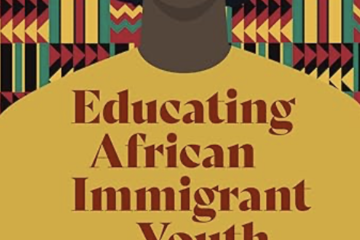
Educating African Immigrant Youth: Schooling and Civic Engagement in K–12 Schools (June, 2024)
This book illuminates emerging perspectives and possibilities of the vibrant schooling and civic lives of Black African youth and communities in the United States, Canada, and globally. Chapters present key research on how to develop and enact teaching methodologies and research approaches that support Black African immigrant and refugee students. The contributors examine contours of the Framework for Educating African Immigrant Youth, which focuses on four complementary approaches for teaching and learning: emboldening tellings of diaspora narratives; navigating the complex past, present, and future of teaching and learning; enacting social civic literacies to extend complex identities; and affirming and extending cultural, heritage, and embodied knowledges, languages, and practices. The frameworks and practices will strengthen how educators address the interplay of identities presented by African and, by extension, Black immigrant populations. Disciplinary perspectives include literacy and language, social studies, civics, mathematics, and higher education; university and community partnerships; teacher education; global and comparative education; and after-school initiatives.
Book Features:
A focus on honoring and affirming the range of youth and community’s diverse, embodied, social-civic literacies and lived experiences as part of their educational journey, reframing harmful narratives of immigrant youth, families, and Africa.
Chapter authors that include Black African scholars, early-career, and senior scholars from a range of institutions, including in the United States and Canada.
Chapters that draw on and extend a range of theoretical lenses grounded in African epistemologies and ontologies, as well as postcolonial and/or decolonizing approaches, culturally relevant and sustaining frameworks, language and literacy as a social practice, transnationalism, theater as social action, transformative and asset-based processes and practices, migration, and emotional capital, and more.
A cross-disciplinary approach that addresses the scope and heterogeneity of African immigrant youth racialized as Black and their schooling, education, and civic engagement experiences. Implications are considered for teachers, teacher educators, and community educators.
By:
Vaughn W. M. Watson
Thursday, Apr 4, 2024
CULTURE AND SOCIETY
+2

Leave a comment