


Results for "ai"
34 Results
Water management versus Sustaining Livelihoods: Finding the Balance
Introduction and Research ContextMy research journey began with an investigation into a critical data gap regarding the hydrological dynamics of tropical wetland ecosystems, specifically focusing on the water storage capacity of papyrus wetlands. In Uganda, as is common across much of Sub-Saharan Africa, the vast majority of the population depends directly on agriculture for their livelihoods. Driven by rapid population growth and the pressing need to secure regional food supplies, current policy directives strongly favor agricultural modernization through the expansion of irrigated land, among other measures. Because wetlands serve as primary water sources for irrigation, increasing abstraction pressure demands a comprehensive understanding of how these fragile ecosystems regulate water availability and how their socio-ecological functions are affected by intensified human use.Eco-Hydrological Mechanisms and Climate CushioningMy early work addressed this knowledge gap by monitoring the spatial and temporal variations of papyrus root mats and the underlying water column depth across alternating wet and dry seasons. The empirical findings revealed a critical eco-hydrological mechanism, demonstrating that due to the inherent buoyancy of papyrus root mats, the mats rise in tandem with increasing seasonal inflows. This vertical displacement expands the volume of the sub-mat water column, significantly increasing wetland storage capacity during the wet season. This natural regulatory mechanism provides invaluable ecosystem services by mitigating downstream flooding events through peak-flow attenuation and preserving a vital hydrological reservoir that sustains agricultural productivity during dry spells.The Coupled Human-Environment Feedback LoopIn rural landscapes, local communities exhibit a high dependency on these systems, utilizing wetland margins for moisture-reliant edge cultivation and abstracting water for small-scale irrigation. However, over-exploitation accelerates ecosystem degradation through water drainage and vegetation clearance, which severely impairs the wetland’s regulatory capacity and compromises long-term agricultural yields. This tension underscores an intrinsic interconnectedness between wetland ecosystem services and rural survival, a dynamic that is frequently overlooked in standard environmental management. Consequently, a disruptive cyclic pattern emerges where agricultural encroachment triggers state backed evictions, which is followed by re-entry into wetlands by resource-dependent farmers. To break this destructive cycle, governance frameworks must treat ecological health and human livelihoods as a singular, coupled human-environment system rather than as isolated, independent variables. Treating environmental protection and human survival as separate problems often results in fragmented, short-sighted policies that fail to address the root causes of degradation.Systems Mapping and Archetype AnalysisTo get more insight, we conducted a comprehensive systems study using causal loop diagrams to map the feedback structures governing wetland agricultural systems in Uganda. The objective was to understand the underlying system structure and identify leverage points where strategic policy interventions could be implemented most effectively. Our structural analysis identified that the wetland agricultural system is best described using three prevalent system archetypes, which include the tragedy of the commons, shifting the burden, and fixes that fail. System dynamics literature suggests that the theoretical remedies for these archetypes involve instituting regulatory licensing or economic disincentives to ensure wise resource use, implementing short-term solutions alongside long-term structural management, and designing measures to slow the rate of ecological degradation, respectively.Strategic Leverage Points and Dual-Temporal GovernanceLooking at the governance situation in Uganda, all of these proposed measures are currently being implemented to varying degrees. However, they present as weak leverage points because they lack the capacity to alter the underlying system structure. True system transformation requires targeting stakeholder perceptions and mental models regarding sustainable resource management through sustained community sensitization. Because changing deep-seated perceptions is a long-term goal that cannot be achieved immediately, sustainable wetland governance requires a dual-temporal strategy. Short-term management goals should focus on immediate, localized ecological restoration activities, while long-term goals must prioritize funding alternative livelihood activities for resource-dependent communities alongside the continuous sensitization of all relevant stakeholders.Conclusion and Broader Environmental ImplicationsUltimately, while my own research focuses primarily on wetland ecosystem services, the principle that natural resource management must be approached through a systems lens holds true for all ecosystems. Moving forward, it is essential to look for institutional synergies and trade-offs rather than relying on fragmented, sectoral approaches. This systemic perspective is vital to mitigating conflict among stakeholders, conserving limited administrative resources, and ensuring long-term ecological resilience.
By:
Yasmine Ben Slimane
Monday, Sep 28, 2026
WATER, ENERGY, AND THE ENVIRONMENT

Leave a comment
Bridging Continents: Building Wildlife Health Partnerships and Training in the Kruger Ecosystem
I found myself in South Africa for the first time in August of 2023. As an assistant professor in the Fisheries and Wildlife department and a Wildlife Ecologist, I was thrilled to begin co-instructing our department’s long-standing wildlife conservation study abroad course. Despite extensive previous travel for both my colleague Dr. Jerry Urquhart and me, we were, for the first time, teaching students in the Kruger National Park in a “Big 5” savanna ecosystem. However, this was not our first time sharing knowledge through research and education and partnering widely for the conservation of wildlife populations. My work studying large mammal populations like deer and elk began twenty years ago and I’ve watched as changing land use, climates, and human values have shifted where and how wild animals thrive. Now, seeing elephants, lions, antelopes, and the occasional rhino in a vast National Park, the challenges and opportunities for this system feel new and old. A key goal of our course is to allow students to experience and study a complex socio-ecological system and compare it to the North American model of wildlife conservation. They come away from their 3-weeks in the Greater Kruger National Park ecosystem with new perspectives, challenged assumptions, and a love for the people and wildlife of South Africa.Our course was and continues to be based at the Southern African Wildlife College (SAWC), a non-profit organization dedicated to training and education for wildlife conservation. The College provides unique access to wildlife professionals in the region, including lecturers, rangers, guides, and researchers, in an academic setting that facilitates both classroom and field learning interchangeably. In addition to numerous game drives, we do hands-on activities such as bird ringing, trail camera deployment for wildlife monitoring, field necropsy, and a wild rhino capture and dehorning. Students receive lectures and discussions from faculty at the college and from a wide variety of people connected to wildlife conservation in the region. I’ve connected this study abroad program to my research through support from the Alliance for African Partnership (AAP) to formalize collaboration with the Southern African Wildlife College and the University of Pretoria. More recently, with the support of AAP, we’ve hosted workshops for advanced students and colleagues at the University of Pretoria and other local universities and NGOs. We are working to develop research collaborations that allow for simultaneous student training and field experiences while also answering research questions of mutual interest to multiple organizations. My work on large mammal ecology and disease ecology in North America has provided an opportunity to ask similar research questions in the Kruger ecosystem. Understanding how wildlife populations are affected by emerging diseases, for instance, is of particular importance in the Kruger where diseases that pose significant risk to humans, livestock, and wildlife populations occur. Often, wildlife is seen as the source of risk to livestock and human sectors. However, as a One Health practioner, I would argue that healthy wildlife populations buffer emerging disease risk to humans and livestock, and the wildlife population itself must be protected from spillover of pathogens from these sources. If a disease outbreak does occur, we need to be able to detect whether these outbreaks have significantly reduced a species' population abundance, and this requires robust wildlife population estimates as well. On the other hand, if wildlife populations have been subsidized by human land use or artificial water sources and become overabundant, disease can often spread more quickly and create challenges across sectors in this manner, too.I’m thankful for the opportunity to work with students, colleagues, and wild animals in a beautiful and complex country. Together, we will learn more from each other, educate the next generation, and better help the social-ecological systems that we love.
By:
Yasmine Ben Slimane
Tuesday, Sep 15, 2026
WATER, ENERGY, AND THE ENVIRONMENT
Leave a comment
Smart Villages, Stronger Communities: Advancing Sustainable Development in Rural Nigeria
Food security, clean water, reliable energy, and economic opportunity are not separate challenges. Together, they form the foundation of healthy, resilient, and thriving communities. Yet around the world, millions of people continue to face barriers to accessing these necessities, challenges that are becoming increasingly difficult to overcome as climate change, population growth, and infrastructure limitations place additional strain on vulnerable communities.These challenges are particularly evident in rural Nigeria, where agriculture remains central to livelihoods and economic development. Taraba State, located in northeastern geopolitical zone of Nigeria, possesses tremendous agriculture potential. As Nigeria’s third largest state by land area, approximately 75% of its land is suitable for farming and aquaculture. Agriculture serves as the primary source of income for many residents, and the fertile lands surrounding the Taraba River provide opportunities to support both local livelihoods and national food production.Figure 1: Map of Nigeria showing Taraba State as well as Taraba, Niger River, and Benue Rivers (Courtesy of Arto Vitikka, Arctic Centre, University of Lapland).
Despite these advantages, many rural communities continue to face significant development challenges. Taraba State has one of the lowest rates of electricity access in the country, and persistent infrastructure gaps limit opportunities for economic growth and improved quality of life. Rural-to-urban migration further compounds these challenges as younger generations leave in search of education and employment opportunities, leaving aging populations to sustain agricultural activities. As Nigeria’s population is projected to grow substantially in the coming decades, strengthening the resilience and productivity of rural communities will become increasingly important for regional and national food security. Recognizing the interconnected nature of these challenges, a multidisciplinary team of eight researchers from four universities across four countries (University of Nigeria Nsukka, University of Johannesburg, University of Lapland, and Michigan State University) has come together to explore how Smart Village strategies can support sustainable development in Gassol and Bali Local Government Areas (LGAs) of Taraba State. The project is guided by the understanding that food security, clean water, energy access, education and economic opportunity are deeply connected and must be addressed through integrated solutions rather than isolated interventions.
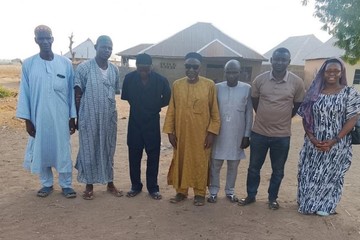
Figure 2: PIRA team member, Mr. Gabriel Agou (second from the left), with Badija community representatives standing near the Taraba River during July visit.
The work aligns closely with several United Nations Sustainable Development Goals, particularly those focused on ending hunger, ensuring access to clean water, providing affordable and clean energy, and promoting decent work and economic growth. While communities along the Taraba River possess fertile land, abundant water resources, and strong agricultural traditions, achieving these goals requires more than natural advantages alone. Sustainable progress depends on infrastructure, local capacity building, access to knowledge, and partnerships that empower communities to leverage their existing strengths. A central focus of the project has been understanding how Smart Village approaches can create practical and scalable pathways for development. Rather than relying solely on large infrastructure investments, Smart Village strategies emphasize community engagement, appropriate technologies, local leadership, and collaboration among researcher, government agencies, industry partners, and community stakeholders. The goal is to Identify solutions that improve quality of life while remaining sustainable and manageable within local contexts.One of the most rewarding aspects of the project has been direct engagement with community leaders, local stakeholders, and residents throughout the Gassol and Bali LGAs. These conversations provided valuable perspectives on community priorities, existing resources, and the challenges residents face in their daily lives. Listening to local voices reinforced an important lesson: meaningful and sustainable development initiatives must be developed with communities, not simply for communities.
Figure 3: PIRA team members, Dr. Chidimma Frances Igboeli (far right) and Mr. Gabriel Agou (second from right), with the Sarkin (center) and some community chiefs during March 2026.
Field visits offered equally valuable insights. Visiting communities and potential implementation sites provided the research team with a deeper appreciation for both the opportunities and barriers present within these rural areas. During on visit, the team encountered a non-functioning borehole that had once served as an important water source. The borehole stood as a visible reminder that infrastructure alone is not enough. Long-term maintenance, local ownership, and community capacity are essential to ensuring that investments continue to provide benefits long after installation.The field experience also highlighted the practical realities of working in remote areas. Seasonal rainfall, difficult terrain, and transportation limitations can significantly impact implementation schedules and access to communities. Understanding these conditions has been critical in planning future activities and identifying the most appropriate periods for travel, installation, and community engagement. Beyond research and assessment activities, the project has prioritized community capacity building through Short Learning Programs (SLPs) designed to share knowledge and empower residents. Emphasis has been placed on engaging women and youth, recognizing their important role in strengthening community resilience and driving long-term development.To move beyond planning and education toward implementation, the project includes a pilot Smart Village hub in the community of Badija. The hub will provide lighting, internet connectivity, cellular phone charging, and a dedicated gathering space for learning, collaboration, and community engagement. In addition to supporting continued educational programming, the hub will serve as a demonstration of how integrated infrastructure solutions can improve daily life and expand opportunities for rural residents.The pilot implementation represents an important step toward evaluating practical Smart Village strategies that could inform future efforts throughout Taraba State and beyond. Lessons learned from the project will help identify effective approaches for community ownership, long-term operation, and broader scalability. While financial and infrastructure constraints remain significant challenges, the project seeks to demonstrate how strategic partnerships, local engagement, and targeted investments can help communities make meaningful progress toward sustainable development.Figure 4: Non-functioning solar-powered borehole in Badija Ultimately, the project’s broader impact of this work extends beyond a single community or pilot installation. By bringing together expertise from four universities and working closely with local communities, the initiative seeks to develop a framework for strengthening food security, improving access to clean water and reliable energy, expanding economic opportunities, and enhancing resilience to environmental and economic change. The experiences gained in Gassol and Bali LGAs underscore an important truth: sustainable development is most successful when it builds upon the knowledge, commitment, and aspirations of the people it is intended to serve. Through research, education, and community-centered implementation, Smart Village strategies have the potential to help rural communities unlock existing strengths and create more resilient and prosperous futures.
By:
Yasmine Ben Slimane
Tuesday, Sep 15, 2026
WATER, ENERGY, AND THE ENVIRONMENT
Leave a comment
Growing Opportunities: Empowering Youth & Women Through Horticultural Value Chains
Creating jobs especially for youth and women is a top priority for many African countries. Africa’s rapidly growing population where over 70% are youth has driven significant rural-to-urban migration, as young people seek employment opportunities in urban centers. However, the industry and service sectors in Africa are still growing and unable to absorb the huge influx of youth. Furthermore, the youth are resource constrained with limited access to finance and productive land which increases their vulnerability to poverty. These constraints are exacerbated by the youth’s declining interest in farming. As such, horticultural value chains provide alternative employment opportunities in processing, logistics, transport, wholesale and retailing.
We conducted a survey in Nigeria to assess the extent to which the two rapidly expanding horticultural value chains (tomatoes and Green Leafy Vegetables (GLVs)) provide employment to women, men, and youth in Nigeria. Nigeria is the fourteenth-largest tomato producer globally and the second in Africa, and it grows a wide variety of green leafy vegetables (GLVs) across all regions. The study was conducted in two economically and culturally distinct regions of Nigeria, the northern region (Kaduna state) and the Southern region (Oyo state). These states were purposively selected because of their prominent roles in Nigeria’s tomato production. Kaduna state is a major supplier of tomatoes to markets nationwide, while Oyo state is a leader in regional production (for the south west) and primarily serves local and neighboring markets.
Our study presents new empirical evidence from more than 4,000 agrifood enterprises spanning micro, small, and medium enterprises. The analysis of employment data from these agrifood enterprises reveals that horticulture value chains generate substantial employment opportunities in both states, not just at the farm level but across processing, transport, wholesale, and retail. Importantly, employment outcomes vary sharply by state context, meaning governors have a decisive role to play. We highlight five key findings and their implication for Nigerian states.
Most horticulture farmers hire workers: about 85% of tomato farmers and 70% of GLV farmers employ non-family labor including youth.
Off-farm enterprises in vegetable trading, transport, processing, and input supply commonly employ 2–3 permanent workers and about 5 casual workers each month, and these are mainly youth.
Across nodes, 25% to over 90% of enterprises hire labor, making horticulture a major state-level employment engine for the youth.
Permanent agrifood jobs pay ₦38,000–₦115,000 per month, comparable to semi-skilled formal jobs in Kaduna and Oyo.
Casual jobs pay less and are less secure but remain critical for youth and seasonal workers.
Together, these results challenge the perception that agrifood value chains are dominated by family labor and highlight their importance for employment both as entrepreneurs and as hired labor in Nigeria for youth and women. In both Kaduna and Oyo, horticulture can contribute to state government efforts to reduce poverty and increase employment.
Next steps: We are developing a proposal to generate insights into the role of the horticultural sector in reducing youth unemployment in East Africa and strategies to improve the youth’s interest in farming, with a case study from Uganda and Kenya.
By:
Yasmine Ben Slimane
Thursday, Jun 4, 2026
YOUTH EMPOWERMENT
+1

Leave a comment
Landscape Restoration: Cultivating Change Through Sustainable Orchards
When I first acquired my land in Goromonzi, I was immediately confronted by a stark reality. The property, situated on a slope, had no trees at all. The surrounding hills and mountains were equally bare, reflecting years of deforestation that had gradually transformed the landscape. My agricultural journey began in 2019 when I started farming on my one-acre piece of land. At the time, my focus was mainly on growing field crops. While the experience introduced me to the realities of farming and strengthened my appreciation for agriculture, I quickly realized that the methods I was using were not sustainable for the type of land I owned.
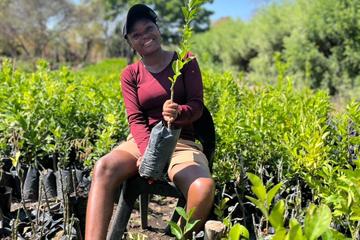
In 2020, I co-founded Young Women in Agriculture, an initiative aimed at empowering young women involved in farming and agribusiness. Through the organization, I had the opportunity to connect with many inspiring farmers and contribute to conversations around youth participation, sustainability, and innovation in agriculture. However, after taking my leave from the organization in 2024, my focus shifted toward more personal and collaborative farming journeys with like-minded young farmers whose work aligns with my own passion for sustainability and environmental restoration.Gashirai Matonga, a 27-year-old fruit farmer from Murehwa, Zimbabwe, has spent the past eight years specializing in grafted fruit tree production and fruit farming. Through her work, she supports farmers in establishing orchards while promoting practical and sustainable agricultural practices.
Our collaboration began through a family connection. During a visit to Murehwa, my father purchased one hundred plus, grafted fruit trees from an orchard operated by Gashirai and her parents in Murehwa called Zowa Farms. The trees included fruit varieties suited to local growing conditions. What initially appeared to be a simple purchase soon became the beginning of an important learning relationship. As I started planting the trees in Goromonzi, Gashirai became one of my primary sources of technical guidance and support. Beyond producing quality seedlings, she shares practical knowledge on orchard establishment, tree care, disease prevention, irrigation, and long-term orchard maintenance. Through seminars and direct farmer support, she equips growers with the skills needed to improve survival rates and increase productivity. From Gashirai I learnt a valuable lesson that propagated trees establish faster and reach fruit-bearing maturity sooner, allowing farmers to begin generating income within a shorter period. She also emphasizes the importance of thinking commercially by establishing orchards that are large enough to become economically sustainable over time.
Water management is another area where her expertise has proven invaluable. As she often explains, fruit production depends heavily on reliable access to water, especially in a changing climate where rainfall patterns are becoming increasingly unpredictable. She trains farmers to identify and manage common pests and diseases, particularly fruit fly infestations, which remain one of the biggest threats facing fruit producers in Zimbabwe.
Like many young agricultural entrepreneurs, Gashirai has faced numerous challenges. Fruit fly infestations once reduced her harvest significantly, highlighting the vulnerability of horticultural farming to pest pressures. Access to sufficient land for expansion has also remained a challenge. Yet despite these obstacles, she continues to grow her business while supporting other farmers, demonstrating resilience and determination that inspire many young people entering agriculture.
The impact of her work can already be seen directly on my own land. To date, I have planted approximately ninety-four fruit trees, mainly mango, lemon, and naartjie varieties. Slowly, these trees are transforming what was once barren land into a productive orchard. Beyond their economic value, the trees are contributing to environmental restoration by helping stabilize the soil, improving biodiversity, and restoring life to previously exposed land.
This journey has also changed the way I view farming itself. Initially, my focus was centered mainly on crop production and productivity. Today, I see agriculture as something much broader. Farming has the potential to restore ecosystems,
strengthen communities, and create sustainable livelihoods at the same time. Fruit trees, in particular, provide apractical way of combining environmental conservation with income generation. They help combat deforestation while creating future opportunities for farmers through fresh produce sales and value-added products. Looking ahead, our vision is to encourage more farmers and community members within Goromonzi and across Zimbabwe to establish orchards and adopt sustainable land management practices. Through collaboration between seedling producers, farmers, agricultural professionals, and local communities, it is possible to reverse the effects of deforestation while building stronger rural economies.
The International Year of Women Farmers provides an important opportunity to recognize contributions being made by young women such as Gashirai Matonga. Her work extends far beyond producing seedlings. Through mentorship, entrepreneurship, and knowledge sharing, she is helping shape a more sustainable agricultural future for young farmers in Zimbabwe. My own journey toward restoring a small corner of Goromonzi would have looked very different without her expertise and encouragement. It serves as a reminder that meaningful change often begins with collaboration. When young farmers work together, combining knowledge, resources, and shared vision, they can restore landscapes, strengthen communities, and create opportunities for future generations.
By:
Baboki Gaolaolwe-Major
Thursday, Jun 4, 2026
AGRI-FOOD SYSTEMS
+1
Leave a comment
Feminist Echoes: Uniting Young Women for Political Emancipation
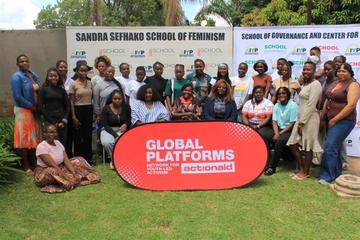
On 25 March 2026, the African Institute for Young People (AIYP) successfully hosted Feminist Echoes: Uniting Young Women for Political Emancipation at the Global Platform Youth Hub. The training brought together 35 young women from diverse backgrounds—including students, young mothers, and school dropouts—and equipped them with leadership, advocacy, and political engagement skills through a participatory feminist circle approach. The initiative was implemented under the Sandra Sefhako School of Feminism, a flagship program of AIYP dedicated to mentoring and empowering young African women to lead in sexual and reproductive health and rights (SRHR), human rights, climate justice, and political and economic participation. The program seeks to dismantle patriarchal barriers, strengthenwomen’s participation in decision-making, and build solidarity across communities and nations.
Named in honor of Sandra Sefhako, a distinguished youth activist and Mandela Washington Fellowship alumna from Botswana, the school celebrates her legacy of advancing women’s rights and gender equality in Africa. It provides mentorship, capacity-building, advocacy training, and leadership development to equip participants with the skills, knowledge, and confidence to lead transformative change in their communities. The training utilized culturally grounded methodologies inspired by the Shona nhanga tradition, alongside intergenerational dialogue, group discussions, and roundtable engagements. Esteemed leaders, including Senator Itayi Mwanza, Councillor Leah Chidamba, and former Epworth Mayor Annah Sande, shared their lived experiences in politics, offering mentorship and practical insights into navigating governance spaces.
Participants deepened their understanding of feminism, Ubuntu, and solidarity, while building confidence, networks, and actionable commitments to engage in leadership and political processes. The training underscored the importance of early mentorship, inclusivity, and the creation of safe spaces for emerging women leaders.
Overall, Feminist Echoes strengthened the capacity of young women to influence governance, foster collective empowerment, and advance inclusive political participation, in alignment with the enduring legacy of Sandra Sefhako.
Introduction
The African Institute for Young People (AIYP) convened Feminist Echoes:Uniting Young
Women for Political Emancipation at the Global Platform Youth Hub as part of the Youth in Elections Project. The initiative was designed as a participatory feminist circle contributing to the broader vision of the Sandra Sefhako School of Feminism, a flagship program committed to mentoring and equipping young African women with the skills, knowledge, and confidence to lead in political, social, and economic spaces.Grounded in the traditional Shona concept of nhanga as a safe space for guidance, mentorship,
and socialization, Feminist Echoes created an inclusive platform for young women to engage in dialogue, storytelling, and intergenerational exchange with experienced women leaders. The initiative directly responds to the persistent underrepresentation of young women in governance by fostering leadership, strengthening networks, and building practical skills in advocacy, negotiation, and coalition-building.
Through this feminist circle, participants were empowered to engage more actively and
confidently in political processes, share lived experiences, and develop actionable strategies for influencing decision-making. By nurturing solidarity, promoting feminist values, and transforming individual aspirations into collective action, Feminist Echoes contributes to advancing inclusive governance and cultivating a new generation of transformative women leaders in line with the legacy of the Sandra Sefhako School of Feminism.
Objectives
To establish a safe and inclusive feminist platform that enables at least 35 young women to share experiences, build solidarity, and engage in structured dialogue on political participation during the training.
To enhance the leadership, advocacy, and political engagement capacities of at least 35 young women through mentorship, peer learning, and skills-building sessions, with participants demonstrating improved knowledge and confidence by the end of the training.
To support at least 35 young women to develop practical, actionable strategies and commitments for engaging in political processes and decision-making, with clear follow-up actions identified for implementation beyond the training.
Methodologies Used
The activity utilized a participatory, learner-centered, and culturally grounded methodology informed by the Shona concept of nhanga, which emphasizes safe spaces for mentorship, guidance, and socialization. This approach ensured inclusivity and created an enabling environment for experiential learning, open dialogue, and knowledge exchange among participants and facilitators. An intergenerational dialogue model was employed to facilitate direct engagement between young women participants and experienced women leaders, including Senator Itayi Mwanza, Councillor Leah Chidamba, and former Epworth Mayor Annah Sande. Through storytelling and experience-sharing, participants gained practical insights into leadership pathways, barriers to participation, and strategies for navigating political and civic spaces. The session was facilitated using inclusive moderation techniques by Tsitsi Patience Mashiri to ensure equitable participation and safe engagement.
The methodology further incorporated peer-to-peer learning through structured group
discussions and roundtable dialogues. These sessions enabled participants to critically reflect on key thematic areas, including feminism, ubuntu, and solidarity, while co-creating context-specific strategies for enhancing women’s political participation. This approach strengthened critical thinking, collaboration, and collective problem-solving.Networking and relationship-building were integrated as a core component of the methodology, fostering cross-sectoral linkages among participants from diverse political, social, and economic backgrounds. This contributed to the development of sustained support systems and collaborative engagement beyond the training.
Overall, the methodology combined experiential learning, intergenerational mentorship, peer learning, and culturally relevant frameworks to promote leadership development, collective empowerment, and inclusive participation. It aligns with the values underpinning the Sandra Sefhako School of Feminism, particularly feminism, ubuntu, and solidarity, while reinforcing shared responsibility and agency among young women.
Summary of Proceedings
The training was successfully held on 25 March 2026 at the Global Platform Youth Hub,
bringing together 35 young women from diverse backgrounds, including students, young
mothers, and school dropouts, reinforcing the principle of inclusivity. The diversity of
participants enriched discussions, ensuring a wide range of perspectives on women’s
participation in leadership and governance. The sessions were structured into thematic segments to maximize learning and engagement. The first segment focused on mentorship, where facilitators shared guidance on leadership and governance, drawing on their personal experiences and professional journeys. This provided participants with practical insights into the realities of leadership and pathways to active political participation. The second segment emphasized feminism, ubuntu, and solidarity as strategic frameworks for political engagement. This participatory session encouraged equal contributions from all participants, fostering dialogue and reflection on how these values can be applied to advance women’s leadership and influence in governance processes. The training concluded with participants developing actionable commitments, pledging to pursue leadership and governance opportunities within their communities. Overall, the sessions enabled participants to gain knowledge, confidence, and practical skills, equipping them to engage meaningfully in political and civic spaces.
Outcomes (Results)
By the conclusion of the training, participants demonstrated a significant improvement in their understanding of feminist principles, Ubuntu, and solidarity, gaining clarity on how these concepts can be applied to advance gender equality and women’s political participation. Young women acquired practical strategies for leadership, advocacy, and coalition-building, strengthening their capacity to engage meaningfully in governance and decision-making processes. The training fostered an inclusive political culture through open dialogue, peer learning, and collective reflection. Participants left with increased confidence, a stronger sense of agency, and a reinforced commitment to pursue leadership opportunities. Overall, the training empowered young women to translate knowledge and mentorship into tangible actions that advance their political emancipation and civic engagement.
Lessons Learnt
A key lesson from the training was the critical role of seasoned leaders in opening doors for young women, highlighting that today’s participants are tomorrow’s leaders. The sessions demonstrated that young women possess the passion, potential, and capacity to drive positive change in their communities and political spaces when given the right guidance and opportunities. The training also underscored the mentorship gap for emerging women leaders, as many participants reported limited access to guidance, networks, and practical insights needed to navigate political and civic spaces effectively. This highlighted the importance of structured mentorship programs and safe, inclusive spaces—like the nhanga circles—where young women can learn from experienced leaders, exchange ideas, and gain practical strategies for leadership. Additionally, the value of intergenerational dialogue became evident, with interactions between seasoned leaders and young women providing inspiration, encouragement, and actionable insights. Participants learned not only about leadership successes but also about overcoming challenges and systemic barriers, reinforcing the need for continuous engagement, capacity building, and platforms that foster solidarity, Ubuntu, and feminist principles to strengthen the next generation of women leaders.
Recommendations
Based on the training experience, it is recommended that future trainings intentionally include very young leaders, starting from high school, to introduce them early to concepts of leadership, feminism, Ubuntu, and solidarity. Early engagement will nurture political awareness, confidence, and civic responsibility, enabling young women to build a strong foundation for future leadership roles. It is also important to ensure that the training environment remains inclusive and accessible to all participants, including providing facilities and accommodations for people with disabilities. Creating such an enabling environment will foster equitable learning, ensure diverse voices are heard, and strengthen the overall impact of the program in developing capable, confident, and
inclusive young women leaders.
Conclusion
The training successfully created a proactive, mentorship-driven space that equipped young women with the knowledge, skills, and confidence to navigate political and governance spaces effectively. Through presentations, intergenerational dialogue, group discussions, and networking, participants translated ideas into actionable strategies for political engagement and leadership. The training reinforced the values of feminism, Ubuntu, and solidarity, encouraging participants to work collectively and support one another in their leadership journeys. Overall, Feminist Echoes: Uniting Young Women for Political Emancipation contributed significantly to building a generation of confident, politically engaged young women prepared to influence decision-making processes and shape inclusive, equitable governance in their communities and beyond.
By:
Baboki Gaolaolwe-Major
Monday, Mar 30, 2026
YOUTH EMPOWERMENT
+1
Leave a comment
African Futures Scholar Alfdaniels Mabingo
“I can't wait to go back and be kind of a new scholar, new researcher, new academic leader, and new responsible citizen of this world.” ✨Meet Dr. Alfdaniels Mabingo, Lecturer of Performing Arts and Film at Makerere University in Uganda. His research for this fellowship explores dance education, pedagogy, and leadership particularly focusing on empowering youth through the arts in Uganda. He describes the program as a transformative experience in his early research career, calling it a true rite of passage that marked a significant milestone in his academic and professional growth.Through collaboration, mentorship, and knowledge exchange, the program has supported Dr. Alfdaniels Mabingo in further developing his leadership capacity and expanding his research experience. It has offered him a valuable space to continue refining his scholarly voice while building meaningful connections across disciplines and borders. 🌍
By:
Baboki Gaolaolwe-Major
Tuesday, Mar 24, 2026
CULTURE AND SOCIETY
+1
Leave a comment
Engineering a Sustainable Future Through Climate-Smart Agriculture
A profile of MSU Assistant Professor and AAP GEF Awardee, Dr. Daniel Uyeh
Science and technology are central to tackling global challenges like climate change and food insecurity. In June 2025, the Alliance for African Partnership (AAP) launched the Faculty Global Engagement Fund (GEF) to help faculty maintain momentum in their research endeavors and international collaborations by providing travel support to engage with African partner institutions and/or to present their research at conferences or other public forums. Among the inaugural GEF cohort is MSU faculty member Dr. Daniel Uyeh, a Nigerian scientist and engineer whose work integrates advanced sensors, automated weather stations, and AI-enabled decision-support systems to turn real-time climate data into actionable guidance for farmers and policymakers—strengthening food security and resilience across the continent.
Born and raised in Nigeria, Dr. Uyeh spent most of his childhood in rural neighborhoods. There he witnessed firsthand how the practice of farming and knowledge of agriculture shaped community livelihoods. He also witnessed the work of his father, a vocational teacher who taught agriculture to the community to better improve their farming capabilities. Inspired by his father’s role as a teacher and his experience in farming communities, Uyeh focused his academic career on agriculture. From his internships in biotechnology and pharmaceuticals to his Bachelors, Masters, and PhD degrees, he has been studying the field of agriculture for over a decade. Currently, he is working as both assistant professor in the Department of Biosystems and Agricultural Engineering as well as a principal investigator in the Climate-Smart Decision Support Systems Group of MSU. He is a Nigerian scientist and engineer who, in his own words works on “multidisciplinary research projects towards improving efficiency and minimizing production costs, thus ensuring resilient and sustainable agriculture”.
His resume is impressively extensive and his most recent project, which he highlighted during the application for GEF support, continues to show his dedication and experience in the field of agricultural research.
This project focuses on the development and deployment of automated weather stations and other advanced sensory technologies, calibrated to an integrated decision support system (DSS). The DSS will translate real time climate data into actional insights for farmers and policy makers, allowing timely informed decisions on critical aspects of farming and agriculture. By stabilizing food supplies in the face of erratic weather, this work has the potential to deliver immediate, measurable impact for communities across Sub-Saharan Africa.
Uyeh and his team have already developed and piloted an integrated platform that provides real-time, weather and advisory services for farmers, allowing them to better prepare for the challenges facing their farms and livestock. In the future he intends to expand the deployment of automated weather sensory technology as well as the DSS system across the entirety of Africa, doing so through further partnerships with African government agencies, many of whom are already investing in adaptation and agricultural digitization. In Uyeh’s words: “The end goal of my research is to create AI-enabled, climate-smart tools that make agriculture more resilient, sustainable, and profitable. My work aims to provide farmers, especially smallholders, women, and youth, with reliable, hyperlocal decision-support systems that help them adapt to climate change, reduce input costs, and improve yields. At the same time, I aim to support breeders and policymakers with enhanced data to inform varietal development, resource utilization, and climate adaptation strategies. Ultimately, my vision is to contribute to transforming agriculture from a system vulnerable to erratic weather and labor shortages into one that is data-driven, low-emission, and sustainable, securing food systems and livelihoods for millions worldwide.”
In our interview for this article, Uyeh was asked what he would say to future researchers inspired by his example—just as he was by his father. His advice: “Research is about exploring the unknown, asking questions others may overlook, and learning from every setback. Stay curious, stay resilient, and view failures not as dead ends but as stepping stones toward discovery and impact.”
By:
Baboki Gaolaolwe-Major
Wednesday, Sep 17, 2025
EDUCATION
+1

Leave a comment
Co-Creating Feasible and Sustainable Play-based Learning: A 2024 PIRA Award Winning Initiative
Every year, the Alliance for African Partnership (AAP) runs an initiative known as the Partnerships for Innovative Research in Africa (PIRA). It is an opportunity for researchers to earn the funding needed to carry out collaborative, supportive and multidirectional projects which are aimed towards improving Africa. The research ideas put forward by each PIRA awardee have shown the potential to change the future of Africa for the better.
The project created by Dr. Bethany Wilinski of Michigan State University (MSU) and Dr. Subilaga M Kejo of the University of Dar es Salaam (UDSM) is no exception. Collaborating, they are researching “Co-Creating Feasible and Sustainable Play-based Learning Approaches in Tanzania”. Based on a decade of collaboration in research into teaching in Tanzania, they have understood that play based teaching is essential for development of the global youth. It allows children to exercise skills across all academic areas, while developing them within authentic contexts, which in turn develops an enthusiasm for young students to continue learning more advanced subjects.
Play based learning has been acknowledged on a global scale, especially so once the United Nations Convention on the Rights of the Child recognized that this approach to learning will support countries’ progress toward achieving Sustainable Development Goal (SDG) 4: quality education for all. Be that as it may, while on paper it has proven to be the superior teaching model, some countries have been unable to put this into practice, such as Tanzania. Cultural differences, time and staff restraints, and even ignorance to it’s benefits, have stopped this learning style from being used in Tanzanian classrooms.
That is why the aim of Dr. Bethany Wisinki and Dr. Subilaga M Kejo’s project is to “transform pre-primary teaching and learning in Tanzania by supporting teachers’ ability to use play-based approaches effectively.” Their project consists of a three-phase plan:
1: Building a community of practice (CoP) using pre-primary teachers of UDSM’s demonstration schools, university faculty, teacher development experts and more to create a shared understanding of play based learning.
2: Together they will experiment, test and develop a professional development (PD) program about play-based for Tanzanian pre-primary teachers.
3: Pilot the PD with pre-primary teachers in Dar es Salaam and Musoma
As of this article, the team have made promising headway into phase one of their project. 7 modules have been developed, and the teachers of the CoP have already completed 6. The feedback has been positive, with the teachers stating that “they find the training to be beneficial especially because of the modality where they have opportunity to read, practice, reflect and discuss about their experiences which has enhanced their understanding…Generally, the teachers see the benefits of play and seem more motivated and confident to use play-based learning approach.”
There are already plans in place to move phase two of the project on schedule, and both Dr. Bethany Wisinki and Dr. Subilaga M Kejo feels that their work will leave a positive impact on Tanzania’s teaching methods and youth moving forward.
Upon the project’s completion, they plan to use their findings “to inform the development of a research-practice partnership with the Tanzania Institute of Education focused on improving the quality of preservice preparation for pre-primary teachers.”
By:
Baboki Gaolaolwe-Major
Tuesday, Jul 15, 2025
YOUTH EMPOWERMENT
+1

Leave a comment
Higher Education, Geopolitics, and Sustainable Development in Africa
Amid shifting geopolitical and policy landscapes in the U.S., uncertainties have emerged that may impact global education and research collaborations. While the full implications of these changes remain unclear, higher education institutions must remain steadfast in their mission to promote knowledge, collaboration, and sustainable development.
Alliance for African Partnership (AAP) in collaboration with the African Studies Center, Michigan State University are pleased to invite you to the AAP Public Dialogue on Higher Education, Geopolitics, and Sustainable Development in Africa. Join us as our expert panel discuss the contributions of African higher education institutions in transformative research, policy shaping, crisis leadership, and actionable strategies for strengthening the higher education sector amid these uncertainties, while advancing the 2030 Agenda for Sustainable Development.
Panelists:
Tawana Kupe – Visiting Research Scholar, Michigan State University
Amalia Uamusse – Deputy Vice Chancellor, Eduardo Mondlane University
David Norris – Vice Chancellor, University of Botswana
Mwenda Ntarangwi – Vice Chancellor, USIU-Africa
By:
Justin Rabineau
Wednesday, Mar 12, 2025
EDUCATION
Leave a comment
Breaking Barriers: Sexual and Gender Minority-Led Advocacy to End AIDS in Africa and The Caribbean
Breaking Barriers provides readers a rare window into the realities of LGBT activism in Africa and the Caribbean. Close examinations of the ways in which LGBT-led activist organizations in Africa and the Caribbean contribute to progress in addressing the HIV epidemic in the face of immense and varied challenges are too rare. This book changes that dynamic by following these activists' journey to success under difficult circumstances. Readers will learn what it takes for local activists to eliminate obstacles to HIV prevention and care in their communities.
By:
Robin Lin Miller
Monday, Feb 17, 2025
HEALTH AND NUTRITION

Leave a comment
Harnessing Africa's Bounty: Promoting Indigenous and Traditional Crops for Sustainable Food Systems
Recording on May 15th, 2024 as part of AAP Public Dialogue Series
By:
Justin Rabineau
Monday, Jan 27, 2025
AGRI-FOOD SYSTEMS

Leave a comment