

Browse
Water, Energy, And The Environment
CFAs: Evidence-Informed Policy Making Grants Program
Deadline: Feb 19, 2025
Donor: The British Academy
Grant Type: Grant
Grant Size: $100,000 to $500,000
Countries/Regions: Afghanistan, Angola, Bangladesh, Benin, Brazil, Burkina Faso, Burundi, Cambodia, Central African Republic, Chad, Comoros, Congo DR, Djibouti, Egypt, Eritrea, Ethiopia, Gambia, Guinea, Guinea-Bissau, Haiti, Indonesia, Jordan, Kenya, Kiribati, Laos, Lesotho, Liberia, Madagascar, Malawi, Malaysia, Mali, Mauritania, Mozambique, Burma(Myanmar), Nepal, Niger, Philippines, Rwanda, Sao Tome And Principe, Senegal, Sierra Leone, Solomon Islands, Somalia, South Africa, Sudan, Tanzania, Thailand, East Timor (Timor-Leste), Togo, Turkey, Tuvalu, Uganda, United Kingdom, Viet Nam, Yemen, Zambia, South Sudan
Area: Agriculture Food & Nutrition, Urban Development, Biodiversity, Climate Change, Conservation, Environment, Health, Technology, Water
The British Academy is inviting proposals related to evidence-informed policy-making in Brazil, Egypt, Indonesia, Jordan, Kenya, Malaysia, Philippines, South Africa, Turkey, Thailand, Vietnam and/or Least Developed Countries.
For more information, visit https://www.thebritishacademy.ac.uk/funding/evidence-informed-policymaking-grants/
Premium Link: https://grants.fundsforngospremium.com/opportunity/op/cfas-evidenceinformed-policy-making-grants-program
By:
Baboki Gaolaolwe-Major
Sunday, Nov 24, 2024
AGRI-FOOD SYSTEMS
+2
No Preview Available
Leave a comment
CFAs: Logan Science Journalism Program
Deadline: Jan 15, 2025
Donor: Marine Biological Laboratory
Grant Type: Events
Grant Size: Not Available
Countries/Regions: All Countries
Area: Environment, Journalism, Media, Research, Science
The Logan Science Journalism Program offers science journalists, writers, editors, and broadcast journalists a chance to forget about story deadlines and immerse themselves in basic biomedical or environmental research.
For more information, visit https://www.mbl.edu/education/logan-science-journalism-program
Premium Link: https://grants.fundsforngospremium.com/opportunity/op/cfas-logan-science-journalism-program
By:
Baboki Gaolaolwe-Major
Sunday, Nov 24, 2024
WATER, ENERGY, AND THE ENVIRONMENT
+1
No Preview Available
Leave a comment
Call for Proposals: GEF Small Grants Programme in Malawi
Deadline: Dec 06, 2024
Donor: United Nations Development Programme (UNDP)
Grant Type: Grant
Grant Size: $10,000 to $100,000
Countries/Regions: Malawi
Area: Agriculture Food & Nutrition, Fishing, Endangered Species, Capacity Building, Biodiversity, Climate Change, Energy, Environment, Innovation, Livelihood
The United Nations Development Programme (UNDP) is seeking proposals for the GEF Small Grants Programme to support small-scale projects for activities that conserve and restore the environment while enhancing people’s wellbeing and livelihoods, taking into consideration of gender, vulnerability, and equality concerns.
For more information, visit https://www.undp.org/malawi/publications/call-project-proposals-gef-small-grants-programme
Premium Link: https://grants.fundsforngospremium.com/opportunity/op/call-for-proposals-gef-small-grants-programme-in-malawi
By:
Baboki Gaolaolwe-Major
Sunday, Nov 24, 2024
AGRI-FOOD SYSTEMS
+2
No Preview Available
Leave a comment
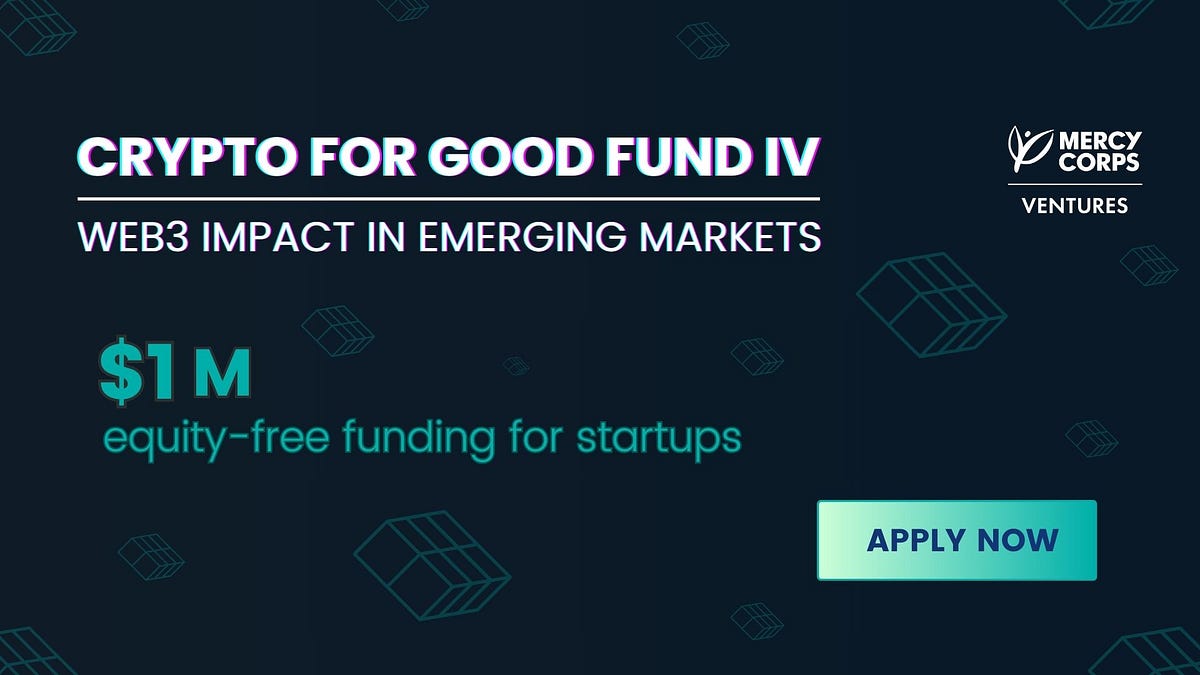
Mercy Corps Ventures: Crypto for Good Fund (4th Round)
Deadline: Dec 20, 2024
Donor: Mercy Corps Ventures
Grant Type: Grant
Grant Size: $10,000 to $100,000
Countries/Regions: Afghanistan, Albania, Algeria, Angola, Antigua and Barbuda, Argentina, Aruba, Bahamas, Bahrain, Bangladesh, Barbados, Belarus, Benin, Bhutan, Bolivia, Bosnia And Herzegovina, Botswana, Brazil, Brunei, Bulgaria, Burkina Faso, Burundi, Cambodia, Cameroon, Cape Verde, Cayman Islands, Central African Republic, Chad, Chile, Colombia, Comoros, Congo (Brazzaville), Congo DR, Costa Rica, Cote DIvoire (Ivory Coast), Croatia, Cuba, Czech Republic, Djibouti, Dominica, Dominican Republic, Ecuador, Egypt, El Salvador, Equatorial Guinea, Eritrea, Ethiopia, Fiji, French Polynesia, Gabon, Gambia, Ghana, Grenada, Guadeloupe, Guatemala, Guinea, Guinea-Bissau, Haiti, Honduras, Hungary, India, Indonesia, Iran, Iraq, Israel, Jamaica, Jordan, Kenya, Kiribati, Kuwait, Laos, Lebanon, Lesotho, Liberia, Libya, Macedonia, Madagascar, Malawi, Malaysia, Maldives, Mali, Marshall Islands, Martinique, Mauritania, Mauritius, Mayotte, Mexico, Micronesia Federated States Of, Moldova Republic Of, Morocco, Mozambique, Burma(Myanmar), Namibia, Nauru, Nepal, Netherlands Antilles, New Caledonia, New Zealand, Nicaragua, Niger, Nigeria, Northern Mariana Islands, Oman, Pakistan, Palau, Palestinian Territories, Panama, Paraguay, Peru, Philippines, Poland, Puerto Rico, Qatar, Reunion, Romania, Russia, Rwanda, Saint Helena, Saint Kitts And Nevis, Saint Lucia, Saint Vincent And The Grenadines, Sao Tome And Principe, Saudi Arabia, Senegal, Seychelles, Sierra Leone, Singapore, Slovak Republic, Solomon Islands, Somalia, South Africa, Sri Lanka, Sudan, Swaziland, Syria, Tanzania, Thailand, Togo, Tonga, Trinidad And Tobago, Tunisia, Turks And Caicos Islands, Tuvalu, Uganda, Ukraine, United Arab Emirates, Uruguay, Vanuatu, Venezuela, Viet Nam, United States Virgin Islands, Wallis And Futuna, Western Sahara, Yemen, Zambia, Zimbabwe, Montenegro, Saint Barthélemy, Serbia, Kosovo, South Sudan , Saint Martin (French Part), Sint Maarten (Dutch Part)
Area: Business & Industry, Startups, Climate Change, Information Technology, Innovation, Livelihood
The Mercy Corps Ventures has excited to announce its fourth round of the Crypto for Good Fund.
For more information, visit https://medium.com/mercy-corps-social-venture-fund/announcing-the-crypto-for-good-fund-iv-ee1cd9387dfd
Premium Link: https://grants.fundsforngospremium.com/opportunity/op/Mercy-Corps-Ventures:-crypto-for-good-fund-4th-round
By:
Baboki Gaolaolwe-Major
Sunday, Nov 24, 2024
WATER, ENERGY, AND THE ENVIRONMENT
+1
No Preview Available
Leave a comment
Max Thabiso Edkins Climate Ambassador Program
Deadline: Dec 11, 2024
Donor: Connect4Climate
Grant Type: Events
Grant Size: Not Available
Countries/Regions: All Countries
Area: Community Development, Community Engagement, Climate Change, Leadership, Sustainable Development, Youth & Adolescents
The Global Youth Climate Network (GYCN), an initiative of the Youth-to-Youth (Y2Y) Community of young professionals at the World Bank Group in collaboration with Connect4Climate (C4C) - a World Bank Group global partnerships program that drives climate action through advocacy, partnerships, and creative communications are excited to launched the 2025 Max Thabiso Edkins Climate Ambassador Program.
For more information, visit https://www.connect4climate.org/initiative/apply-today-mtecap-2025
Premium Link: https://grants.fundsforngospremium.com/opportunity/op/apply-now-max-thabiso-edkins-climate-ambassador-program
By:
Baboki Gaolaolwe-Major
Sunday, Nov 24, 2024
WATER, ENERGY, AND THE ENVIRONMENT
No Preview Available
Leave a comment
Community Management of Protected Areas for Conservation Programme (Botswana)
Deadline: Jan 16, 2025
Donor: United Nations Development Programme(UNDP)
Grant Type: Grant
Grant Size: $10,000 to $100,000
Countries/Regions: Botswana
Area: Community Development, Environment, Innovation, Poverty Alleviation, Sustainable Development
The United Nations Development Programme (UNDP) has launched the Community Management of Protected Areas for Conservation Programme to enhance innovative initiatives that addresses environmental management and poverty reduction in the Okavango Delta UNESCO World Heritage property.
For more information, visit https://procurement-notices.undp.org/view_notice.cfm?notice_id=98492
Premium Link: https://grants.fundsforngospremium.com/opportunity/op/Community-Management-of-Protected-Areas-for-Conservation-Programme-Botswana
By:
Baboki Gaolaolwe-Major
Sunday, Nov 24, 2024
WATER, ENERGY, AND THE ENVIRONMENT
No Preview Available
Leave a comment
Chief S. L. Edu Research Grant 2025 - Nigeria
The Nigerian Conservation Foundation (NCF) is inviting applications from eligible Nigerians for the 2025 Chief S. L. Edu Memorial Ph.D. Research Grant. This grant supports research that contributes to Nigeria’s environmental conservation, sustainable development, and scientific advancement.Focus Areas: Environment, Research, Science, Sustainable DevelopmentEligible Region: NigeriaGrant Size: Not Specified
This is an incredible opportunity for aspiring Ph.D. scholars dedicated to environmental research and sustainability.
🔗 For more details, visit:
https://www.facebook.com/NCFNigeria/posts/pfbid0Q5iD3rBBxibxEpH69qiz7zueN3a5bQyPyAEwqZXMWRTrQaNyoAvCiFfKap1xu1oFl
Premium Link: https://grants.fundsforngospremium.com/opportunity/op/chief-s-l-edu-research-Grant-2025-nigeria
By:
Baboki Gaolaolwe-Major
Wednesday, Oct 30, 2024
WATER, ENERGY, AND THE ENVIRONMENT
No Preview Available
Leave a comment
Advancing?Nuclear Safety, Security, and Nonproliferation through the FIRST Program
The U.S. Department of State’s Bureau of International Security and Nonproliferation, Office of Cooperative Threat Reduction is now accepting applications for the FIRST Program. This grant supports projects that enhance nuclear safety, security, and nonproliferation efforts.
Grant Size: Over $1 millionEligible Regions: Argentina, Ghana, Kenya, Indonesia, Philippines, Thailand, Serbia, and more.Focus Areas: Capacity Building, Infrastructure, Energy, Environment, Innovation, Biotech, Science, Technology, Sustainable Development.
For more information, visit https://grants.gov/search-results-detail/356864
Premium Link: https://grants.fundsforngospremium.com/opportunity/op/advancingnuclear-safety-security-and-nonproliferation-through-the-first-program
By:
Baboki Gaolaolwe-Major
Wednesday, Oct 30, 2024
WATER, ENERGY, AND THE ENVIRONMENT
+1
No Preview Available
Leave a comment
Submissions open for The Minor Foundation for Major Challenges
Grant Size: $100,000 to $500,000
Countries/Regions: All Countries
Submissions are now open for the Minor Foundation for Major Challenges to support advocates of climate change mitigation.
For more information, visit https://unifor.no/stiftelser/the-minor-foundation-for-major-challenges/?_sf_s=Minor
Premium Link: https://grants.fundsforngospremium.com/opportunity/op/submissions-open-for-the-minor-foundation-for-major-challenges
By:
Baboki Gaolaolwe-Major
Wednesday, Oct 30, 2024
WATER, ENERGY, AND THE ENVIRONMENT

No Preview Available
Leave a comment
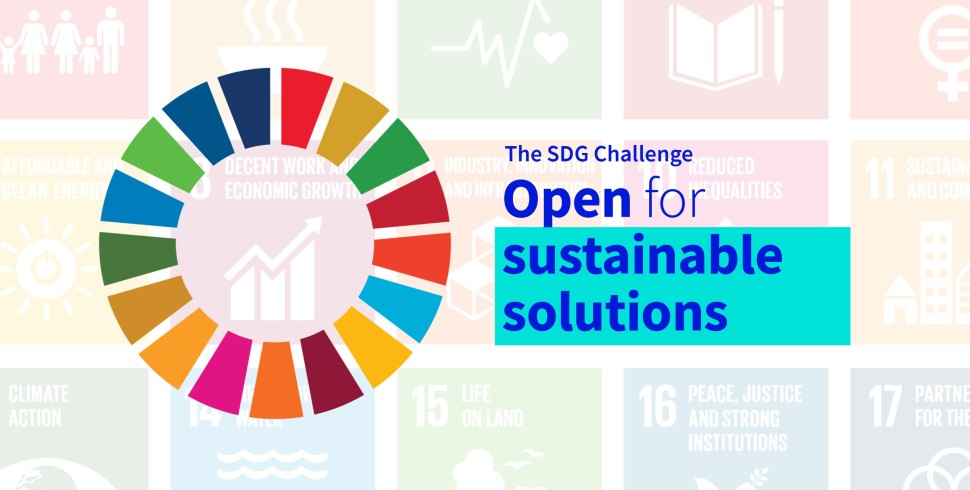
IRELAND: SFI Sustainable Development Challenge (Over €1,000,000 Grant) 2025
Grant size: 1 million Euros
Donor: The Science Foundation Ireland
The SDG Challenge seeks to support diverse, transdisciplinary teams to develop transformative, sustainable solutions that will contribute to addressing development challenges under the UN SDGs in countries where Irish Aid works.
SFI and Irish Aid are seeking solutions that contribute to SDG 2: Zero Hunger, “End hunger, achieve food security and improved nutrition and promote sustainable agriculture”.
The SDG Challenge supports highly motivated, transdisciplinary teams developing transformative, sustainable solutions for UN SDGs in Irish Aid’s partner countries. Furthermore, interested applicants should take note of the following criteria:
Teams must be transdisciplinary and focused on developing sustainable solutions for UN SDGs in Irish Aid’s partner countries.
Teams should combine technical and non-technical skills and represent collaborative partnerships between researchers in Ireland and the partner country.
Expertise in a STEM research area is necessary ,along with knowledge or experience in complementary fields like international development, economics, or behavioral science.
Two academic researchers must be in the core team, with at least one from a relevant STEM discipline.
Funding should reflect the contributions of all team members.
https://www.afterschoolafrica.com/87048/science-foundation-ireland-sfi-2024-sustainable-development-challenge-over-e1000000-grant/
By:
Tony Milanzi
Tuesday, Aug 27, 2024
AGRI-FOOD SYSTEMS
+5
No Preview Available
Leave a comment
AfDB Japan Africa Dream Scholarship (JADS) Program 2024/2025 for young Africans to study in Japan (F
Grant Size: Fellowship
Donor: AfDB/Government of Japan
Applications are now open for the AfDB Japan Africa Dream Scholarship (JADS) Program. This scholarship is open to applicants from African Development Bank member countries with relevant professional experience and a history of supporting their countries’ development efforts who are applying to a graduate degree program in energy development and related disciplines.
https://www.opportunitiesforafricans.com/afdb-japan-africa-dream-scholarship-jads-program-2024-2025/
By:
Tony Milanzi
Tuesday, Aug 27, 2024
WATER, ENERGY, AND THE ENVIRONMENT

No Preview Available
Leave a comment
AREF Research Development Fellowship Programme (Africa)
Deadline: 4th October 2024
Grant size: Fellowship
Donor: AREF Research Development
The Africa Research Excellence Fund is pleased to launch the call for the 2024/25 AREF Research Development Fellowship Programme.
Programme Overview
Aim. To support researchers in Africa who are emerging leaders and working on important challenges for human health, to develop their skills as a researcher.
What we offer. A three to nine-month placement at a leading research institution in the UK, Europe or Africa, with additional support at your home institution before and after the placement. Up to £47,000 available
Who is eligible? Early career researchers. These are research active post-doctoral scientists and clinicians with higher qualifications who are nationals of and employed in Africa (see detailed eligibility criteria).
How to apply. Read the guidance documents carefully before developing your proposal and starting your application. Complete the application form via the portal at https://programmes.aref-africa.org.uk/
https://africaresearchexcellencefund.org.uk/funding-calls/open-funding-research-development-fellowship-2024-25/
By:
Tony Milanzi
Tuesday, Aug 27, 2024
CULTURE AND SOCIETY
+4
No Preview Available

Leave a comment